Digital transformation in utilities explained: five pillars, self-service CX, predictive maintenance, and AI use cases, with real utility results.


Key Technologies in Corporate Finance Digital Transformation
Aug 18, 2026
about 14 min read
Learn how corporate finance digital transformation improves efficiency with key technologies, challenges, and a practical roadmap.
When you automate bookkeeping, invoicing, and reporting, you can cut manual errors and operating costs while responding faster to market changes. A digitally enabled finance function can also help departments coordinate better, giving them a stronger base for improving business processes.
This guide explains the benefits of Corporate Finance Digital Transformation and what to weigh before you start.
What is Corporate Finance Digital Transformation?
In corporate finance, digital transformation replaces older finance software with newer digital tools across financial institutions, internal finance teams, and corporate accounting departments. These developments reflect trends in financial services digital transformation across the financial sector. Those tools can improve accounts receivable (AR) automation as well as travel and expense (T&E) reporting.
These technologies can streamline finance workflows, clean up data, and give teams a better basis for decisions. They may involve automated processes, advanced analytics, blockchain, and decentralized finance (DeFi) in financial operations.
Using these tools, finance teams can:
- Complete routine work more efficiently
- Lower the number of errors
- Reserve more time for strategic analysis and decision-making
Automation sits at the center of the change, so finance professionals can process data entry, reconciliation, and financial reporting more quickly and consistently.
As finance becomes more digital, professionals can serve as strategic partners while still managing back-office information and financial management. Financial departments can use automation software and related technology to expand what they contribute, while completing essential tasks more efficiently.
Key Technologies and Tools Driving the Change
A finance team uses different tools for different jobs, including repeatable processing, forecasting, data access, spending control, and communication. Every technology covers its own part of financial management.
Automation and Robotic Process Automation (RPA)
Automation cuts hands-on effort from recurring finance workflows, so repeat tasks finish more quickly with fewer hold-ups and more consistent results.
Robotic Process Automation (RPA) uses software to automate repetitive, data-heavy work by sorting transactions, recording audit trails, inputting data, and completing reconciliations.

Invoice processing shows where RPA helps. Use RPA to extract invoice details and handle the data before sending it through for payment approval with fewer errors along the way.
Automated workflows can remove hours, and sometimes days, from a processing cycle. They fit high transaction volumes where the same rules and actions come up again and again.
Put Automation on tasks governed by repeatable rules, such as processing and checking records as they move through identical stages.
Automation may be used for processes including:
- Invoice processing
- Account reconciliations
- Financial reporting
- Compliance checks
- Data entry and validation
- Customer onboarding
Finance professionals can spend less time carrying out routine steps and more time reviewing exceptions or making sense of results.
AI and Machine Learning for Predictive Analytics
Artificial Intelligence and Machine Learning (AI/ML) take finance beyond fixed, rule-based instructions. They review large amounts of information to spot data relationships and guide decisions built on patterns.
Using past information, Predictive Analytics can estimate future revenue and expenses as well as market trends, giving finance a broader sense of what could happen next.
These projections give businesses a firmer base for planning and allocating resources. Finance teams can use expected developments to shape budgets and priorities within their operating plans.
Enhancing Risk Management
As financial events happen, AI and ML can detect unusual activity and possible threats, including fraudulent transactions that may affect the organization’s financial position.
Predictive models can assess credit risk and give businesses more detail for lending decisions. Large datasets can also expose connections that manual analysis may overlook.
The results can bring emerging risks forward so organizations can act earlier and meet regulatory requirements. Risk and compliance teams draw on the same signals.
Automating Routine Financial Tasks
Machine learning can take on recurring work ranging from data entry and reconciliations to audit support, speeding up processing and reducing the chance of manual errors.
AI can also handle information that doesn't follow a predictable format. It can examine unstructured materials, including invoices and POs, and enter the pertinent details into records.
Together, AI and machine learning shift finance from reporting completed events to anticipating likely ones. A traditional month-end report serves as a ship’s log. AI and Predictive Analytics act more like radar and a weather forecast, showing what may be ahead and helping finance leaders pick a safer course.
Cloud-Based Systems and Computing
Cloud computing lets finance systems expand as the organization grows and stay available across locations while relying less on physical infrastructure. It provides one shared setting for financial data and workflows.

Cloud-based finance systems offer these main advantages:
- Scalability and flexibility: Cloud platforms can support business growth and adjust as financial requirements change.
- Current data access: Finance teams can reach financial information in real time, supporting decisions without waiting for delayed reports.
- Lower infrastructure expense: Businesses can reduce the need to buy, operate, and maintain on-premises hardware and related infrastructure.
- Better collaboration: A centralized environment lets teams work from shared financial data and processes.
- Data protection: Cloud providers offer security measures designed to safeguard financial information.
- Connection with existing tools: Cloud systems can connect with current applications, supporting consistent data movement and more unified operations.
Cloud computing suits companies that must keep finance accessible while their business requirements keep changing.
Big Data Analytics for Strategic Insights
Big data analytics helps finance teams make use of large, complicated datasets. It identifies patterns and measures performance to support planning beyond separate spreadsheets or individual reports.
Finding trends and patterns
When teams review data at scale, financial trends start to show. Leaders can use those findings in strategic planning rather than depend only on single transactions or late summaries.
Forecasting performance and behavior
Past information can project market changes and customer behavior, along with likely future financial results, before businesses distribute resources or set priorities.
Improving financial performance
Big data analytics can show how cost drivers, revenue sources, and operational efficiency affect financial results, helping businesses improve processes in ways that cut costs and raise revenue.
Those improvements can support profitability and continued growth. Their value comes from tying financial results to the operational factors behind them.
Supporting risk oversight
Predictive models can assess credit risk while flagging fraudulent transactions and tracking changes in market volatility. Big data analytics makes potential threats and unusual patterns easier to see.
Corporate Cards and Expense Management Tools
Corporate Cards and expense management systems can enforce spending rules as transactions occur, giving finance more control without manually reviewing every item later. The controls take effect at the point of spend.
These tools give finance a broad view of expenses while organizing approval workflows and helping employees follow financial controls. Companies can limit spending beyond approved amounts and internal-policy violations.
Digital platforms can issue virtual debit cards immediately and assign them either to one payment or recurring subscriptions, based on the organization’s requirements.
Limits on virtual debit cards help with budgeting and make expenses easier to follow. Finance gains control and tracking for company payments.
Creating a Connected System with APIs and Portals
Integrations and APIs
APIs allow separate financial applications to share information. When accounting software is linked to payment platforms or bank systems, it can automatically synchronize and record debit card purchases and receipts.
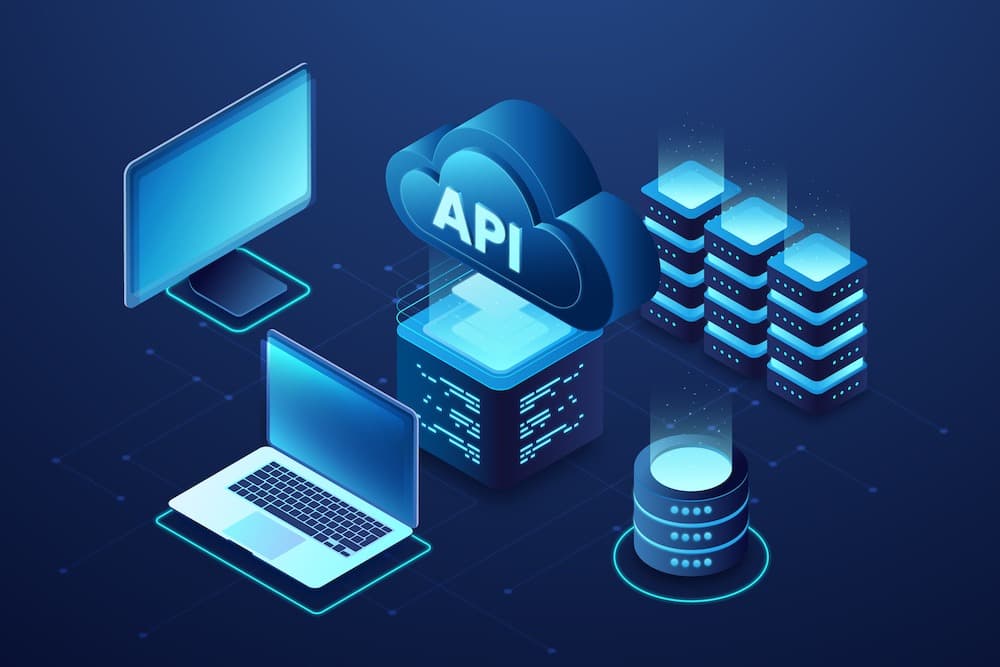
This connection cuts manual bookkeeping and improves record accuracy by removing the task of copying information from one system to another.
Digital finance solutions can provide customer portals and self-service options for account management and payments, as well as inquiries. Customers can use a digital channel instead of lengthy paperwork or support lines.
Interactive channels offer users another way to reach financial services and information, while real-time reporting gives investors and other interested parties a clearer view of financial performance.
Challenges in Financial Management and Transformation
Older, disconnected finance systems create drag in day-to-day operations long before transformation produces results. Rebuilding them brings financial, technical, regulatory, and people-related demands of its own.
Inefficiencies of Traditional Finance Processes
Manual finance processes depend heavily on people for routine finance work, consuming staff effort and money across the organization while leaving more room for mistakes. That drives up operating expenses.
Finance operations commonly show weaknesses in these areas:
Manual workload: Repeated data entry, reconciliation work, and report creation consume substantial time and human resources. When people perform this work manually, errors become more likely and operating costs increase.
Delayed analysis: Companies can struggle to coordinate operations and produce detailed analytical reports when they need them. They also need deeper, high-level analysis to guide business strategy, but conventional processes make it hard to deliver promptly.
Scattered information gathering: Finance teams often spend significant time collecting and moving information between multiple sources. That data transfer becomes an administrative burden across different businesses.
Disconnected departmental systems: Separate departments often use unconnected or external computing systems, including Excel, to record and examine revenue and costs, calculate figures, and consolidate corporate statistics. Bringing those systems into one view takes extra effort.
Difficult data tracing: As financial information becomes more complex, systems can struggle to identify where data originated and locate it when needed.
Stale financial information: Conventional financial workflows often rely on information that is outdated or arrives late. That makes it harder for a business to respond when market conditions change.
Limited visibility: Without a current view of financial metrics, decision-makers may work with information that is incomplete or no longer accurate.
Legacy-system limitations: Legacy systems are older software or hardware that companies keep operating despite more advanced alternatives. Legacy platforms may lack the flexibility, scalability, and security current business requirements need.
Operational consequences: Older technology can create inefficient workflows, isolated data, higher operating expenses, and more errors.
Poor compatibility with newer tools: Legacy platforms may not connect effectively with modern technologies, preventing companies from adopting newer financial applications.
Historical rather than forward-looking reporting: More companies have begun automating their processes, yet reports from systems such as ERP often describe problems that already occurred. These reports are mainly status updates, with little or no forecast, even though executives get more value from information that helps them anticipate what happens next.
These gaps may force you to replace or expand the finance systems already in place. Since new technology brings its own implementation demands, you can't treat transformation as a straightforward software purchase.
Obstacles in Implementing Digital Transformation
For 31% of CFOs, financial constraints rank as a primary barrier, though the budget available covers only part of the wider challenge.
Before they can proceed, finance leaders may have to make the case for resources to refresh the finance tech stack. Link the proposed changes to broader company goals and potential cost reductions to gain support from other interested parties.

New software must fit alongside legacy solutions and established risk and compliance workflows. Before implementation, map those links for technical or process conflicts, then pick software with strong security capabilities to ease some pressure.
Implementation brings the following requirements and risks:
- Cybersecurity Risks: Greater dependence on digital systems can increase exposure to cyberattacks and data breaches.
- Integration Complexity: Connecting new digital tools to established systems can be technically difficult and require substantial investment.
- Skill Gap: Digital adoption depends on employees with the necessary capabilities, making training and professional development important.
- Regulatory Compliance: Staying aligned with regulations that change quickly can be difficult.
- Data Privacy: Protecting the confidentiality and security of financial information remains essential.
Give the people side of implementation separate preparation, arranging training and revising company policies around the new programs and procedures. Employees also need to build skills in artificial intelligence-supported automation and data analytics.
Training covers digital work practices, including data interpretation and cybersecurity, so employees can adjust while keeping productivity steady through the transition.
Treating this initiative as a technical undertaking belonging exclusively to IT is a major mistake. The change affects the whole company, so finance leadership must set the objectives and direct the shift. IT is still an essential partner, but it shouldn't be viewed as the project's only owner.
Core Benefits of Finance Digital Transformation
Central finance platforms keep financial information collected, stored, and processed in one location, whether they run on-premise or in the cloud. People across the company who require an up-to-date picture can pull relevant insight and see the organization’s overall financial health.
These benefits show up in operating costs, process accuracy, staff capacity, and business decisions. The sections below show how those gains play out in practice.
Improved Operational Efficiency and Cost Savings
Time and cost savings
With fewer people handling each step, delays and mistakes decline, labor costs can fall, and finance processes run faster and more consistently day to day.
Managers get automated reports earlier, which lets them decide sooner and run financial activities with greater efficiency.
Operational efficiency
Move recurring finance tasks, such as invoicing, reconciliation, and reporting, into digital workflows, then let automation take care of data entry, invoice processing, and report preparation.
Digital workflows move departmental work faster. Fewer manual errors and shorter waits can give businesses operational cost savings of up to 30%, while also strengthening their decision-making capabilities.
The gap is clear in invoice processing. In Ardent Partners’ AP Metrics That Matter in 2025, an average invoice needs just over nine days for processing, but best-in-class software cuts that time to 3.1 days.
The same gap shows up in cost: companies can pay up to $12.88 per invoice, while organizations using leading AP software pay only $2.78.
Free up resources and increase efficiency through automation
Automate finance procedures to cut manual work for finance professionals, freeing employees from repetitive activities and leaving them more time for higher-value responsibilities.
That freed capacity can be used for financial planning and strategy, deeper data analysis, and problem solving. It can raise motivation too, while helping finance give the wider company better support.
Enhanced Accuracy and Reduced Human Error
Digital tools reduce the odds of handling mistakes, and real-time validation can keep each transaction aligned with company policies as it moves through processing.
When the base data holds up, employees and leaders can place more confidence in financial reports and the decisions drawn from them.
At Sutherland, a real accounts payable automation effort paired RPA with process controls and took invoice errors from 0.5% to below 0.1%. That drop marks an improvement of at least 80%.
A live view of financial performance lets finance teams catch trends and project future results, giving both analysis and planning a firmer base.
Smarter, Data-Driven Decision-Making
Real-Time Decision-Making
With current information, finance teams can plan ahead of changing conditions rather than wait on old reports. Predictive analytics can strengthen risk management and help leaders direct resources toward the areas that need them most.

Real-time reporting also makes financial developments visible faster, improving transparency when market conditions change.
Data and analytics
CEOs increasingly turn to business intelligence when judging strategy and growth, and finance teams matter because they oversee much of the data held across the organization.
After analyzing and interpreting that information, finance professionals can give the CEO a centralized picture of company performance and insights for informed decisions.
Predictive analytics for Strategic Planning
AI-powered forecasting uses AI models and historical data to estimate revenue, expenses, and shifts in the market. This gives businesses a way to foresee financial trends and make evidence-based choices.
Those projections inform strategic planning and more effective resource allocation, while finance digital transformation gives finance leaders insight for broader business decisions.
Your Finance Digital Transformation Roadmap: 5 Key Steps
Assess Current Operations and Define a Strategy
Before you compare software options, start with how finance operates today. Map each finance workflow, then note where tasks stall or results don’t stay consistent.
- Review process friction: Find the points where finance workflows become inefficient or hard to manage.
- Examine manual work: Identify activities that take substantial time and leave more room for mistakes.
- Gather team input: Ask finance employees where work breaks down and which priorities the transformation should address first.
Use APQC’s Process Classification Framework (PCF) as a firmer baseline than general advice. Its current version, PCF 8.0, published in February 2026, sets out a standardized taxonomy for classifying and mapping business processes. It places finance within Process Category 8.0: Manage Financial Resources. That structure helps with benchmarking and process management while spotting areas to improve.
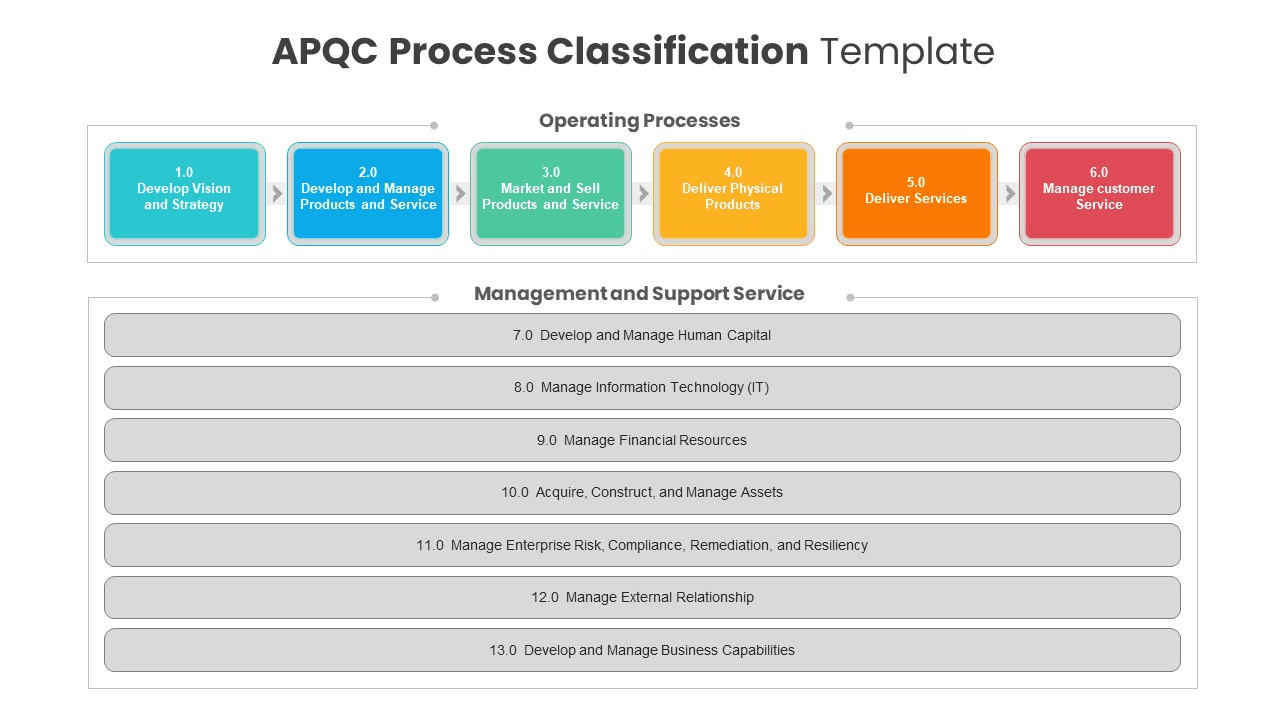
Before you purchase digital technology, review the process in front of you and decide what automation must deliver. Set transformation objectives that improve efficiency and decision-making while reducing costs.
Turn those objectives into measurable targets for rolling out and evaluating new software. Without them, you can’t tell whether the system solved the original issue or simply added another technology layer.
Align Finance and IT to Build a Data-First Foundation
Finance and IT need to build a shared Data-First Foundation that supports the broader business direction and joins financial information with operational metrics.
With that combined view, finance can allocate resources and control costs while showing how operational choices affect financial performance across the business.
Connected data depends on systems that actually link together. Expense management software and cloud-based systems, when linked with real-time analytics platforms, help finance connect financial activity with operations while keeping efforts tied to wider strategy.
Select Appropriate Technology and Future-Ready Partners
Choose technology based on the work that requires attention. Expense management software and cloud-based financial platforms help when they meet those specific requirements.
Review automation and real-time analytics, along with links to systems already in place. Your tools also need to remain useful as the business expands and financial requirements shift.
An all-in-one platform can be easier to manage, though some functions may lack depth. Compare it with best-in-class tools, then document the integrations your IT team would have to maintain. Specialized tools may provide stronger capability in particular areas.
Use three questions to guide the choice:
- What is our IT team's capacity? A small IT team may struggle to maintain several integrations, which can make an all-in-one platform more practical. A larger, more technically experienced team may be able to manage a best-in-class toolset.
- How specialized are our needs? A distinctive or complicated process, such as industry-specific revenue recognition, will probably need a specialist application. An all-in-one suite may be enough when the organization’s processes are standard.
- What is our long-term strategy? Companies expecting rapid change or expansion into new areas may benefit from multiple tools. That setup can be more flexible than relying on one monolithic platform.
A trusted partner offering digital transformation consulting services can support implementation and shape technology plans in order to keep them aligned with longer-term direction.
Managing the People Side of Transformation
A finance system works better when employees feel prepared to use it. Training gives people more confidence as they move into unfamiliar systems.
- Explain the practical value: Show how digital tools can ease everyday work and help employees contribute more through their roles.
- Create a feedback channel: Invite questions and concerns, then respond so adoption can move more smoothly across teams.
The first step in this path is to find the manual task each team dislikes most. Pick something concrete, such as spreadsheets used for month-end reconciliation, and make it the first pilot project. Improving a frustrating part of someone’s day gives them a reason to back the wider change rather than push against it.
Training can’t be a one-time event. Employees must continue building the capabilities required to use automation and artificial intelligence in data analytics.
Center that development on cybersecurity and the use and interpretation of digital tools and data. This helps employees adjust to new processes, protect productivity during the transition, and manage financial information safely.
Making Transformation an Ongoing Process
Once implementation starts, the work is only beginning. Review how technologies perform, then use those findings to identify areas that still require improvement.
- Refine processes with evidence: Use data-based findings to correct weaknesses and improve how work gets completed.
- Review the software and user experience: Track system performance and collect employees’ views of the software.
- Measure the transformation’s effect: Monitor digital initiatives continuously and adjust them when results fall short of expectations.
- Follow technology developments: Keep up with finance technology changes so operations can continue improving.
Regular reviews keep the finance environment aligned with changing business requirements. Changes in finance technology should guide the next round of improvements alongside performance information and employee feedback.
Conclusion
Finance transformation is a change in how the department creates business value
Still, a finance department adds business value when it becomes more useful to the business, cuts back manual processing, and provides reliable insight when people need it. Move repeat tasks into automated, data-based operations, and teams gain efficiency, better accuracy, and stronger information as conditions change.
No one product or fixed definition will suit every finance department. Finance transformation covers a wider approach, one that uses technologies such as automation software and other digital solutions to extend finance’s part in the business and the work it does. Its worth appears in what an organization does, the improvements it tracks, and the results those changes deliver.
For finance leaders, a practical way to judge this effort is to focus first on the workflows and data that help the business make better decisions, then keep checking what changes. Automation can take repetitive work away, and connected information can give finance timely, reliable insight. That leaves a finance function able to guide the business with facts drawn from its own corporate finance digital transformation efforts, improvements, and results.
Share this page


Table of Content

Subscribe to Golden Owl blog
Stay up to date! Get all the latest posts delivered straight to your inbox