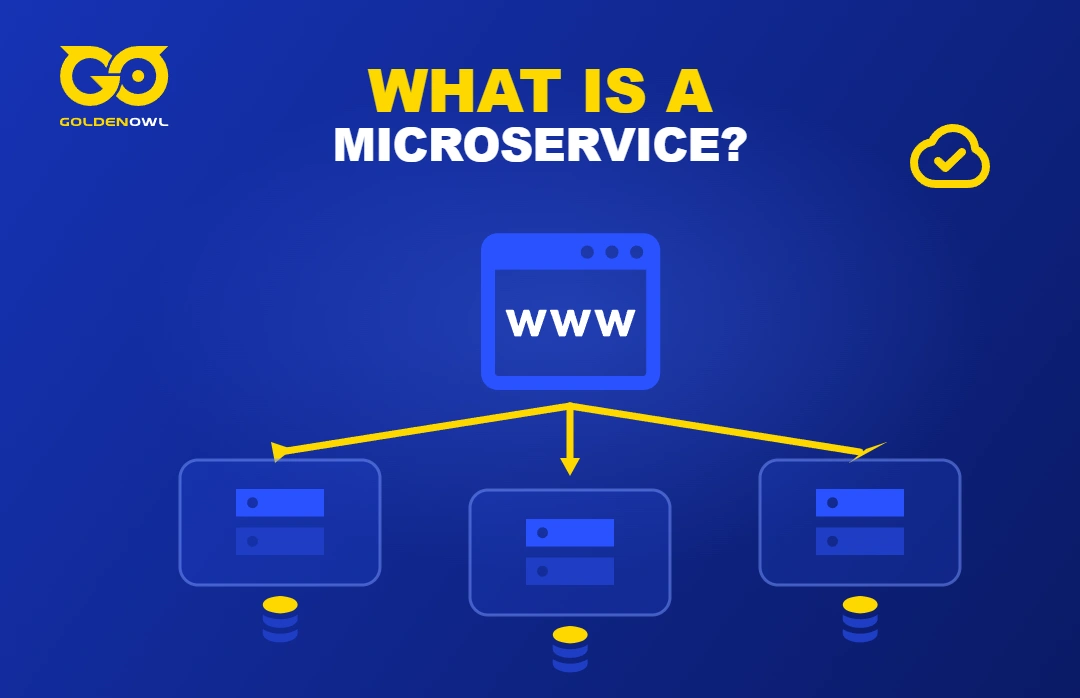
Dive past the marketing hype. Learn the core concepts of microservices architecture, how it compares to monoliths, and when to use it for your team.


How to Outsource Web Development in 2026: Full Guide and Cost
Mar 2, 2026
about 7 min read

Strategic guide to outsourcing web development. Explore costs, timelines, engagement models, governance, and risk control to scale with confidence.
Considering outsourcing your web development? Most companies pursue it for speed and cost efficiency — yet few approach it with structured governance and risk awareness.
Without a disciplined framework, outsourcing can create more complexity than value.
This guide outlines a strategic approach that helps businesses scale efficiently while protecting delivery quality and long-term control.
Why Businesses Choose to Outsource Web Development

Before diving into how to outsource web development, it’s important to understand why companies pursue web development outsourcing in the first place.
Common reasons include:
- Faster time-to-market
- Access to global technical talent
- Lower fixed operational costs
- Flexible scaling
- Specialized expertise in emerging technologies
Compared to hiring in-house developers — which can take 2–4 months and require long-term salary commitments — outsourcing web development allows businesses to activate a team within weeks.
However, the advantage only materializes when companies understand how to outsource web development within a structured outsourcing framework.
Step-by-Step Framework: How to Outsource Web Development Successfully
Companies that succeed at outsourcing treat it as governance — not delegation.
Understanding how to outsource web development begins with process clarity.
Step 1 – Define Business Objectives Before Technical Requirements
The first mistake companies make when learning how to outsource web development is focusing on features before defining strategic goals.
Before approaching any outsource web development company, clarify:
- What business outcome should this project deliver?
- Is this an MVP, a marketing website, or a scalable SaaS product?
- What KPIs define success? (conversion rate, revenue, engagement, retention)
- What is the acceptable risk tolerance?
- What is your investment ceiling?
Then document:
- Must-have features
- Nice-to-have features
- Target user journey
- Budget range
- Timeline expectation
A structured requirement document reduces scope creep and budget escalation. Companies that skip this step often struggle even if they choose a technically strong offshore web development partner.
Step 2 – Choose the Right Outsourcing Engagement Model
Selecting the right engagement model is not just an operational choice — it directly impacts cost control, delivery speed, and long-term scalability.
Many companies researching how to outsource web development focus only on hourly rates. In reality, the engagement structure determines whether your project remains predictable or becomes volatile.
Below are the three standard models — and a strategic hybrid approach that experienced teams often recommend.
Engagement Model | Best For | Risk Profile | Typical Use Cases |
| Fixed Price Model | Clearly defined projects- Stable requirements- Short timelines | Predictable cost- Limited flexibility if scope changes | Corporate websites, landing pages, structured redesign projects |
| Time & Materials Model | MVP development- Agile iteration- Dynamic or evolving requirements | Flexible scope- Variable final cost depending on changes | Early-stage startups, SaaS MVPs, product validation phases |
| Dedicated Development Team | Long-term product development- Scaling startups- Continuous innovation | Monthly commitment- High scalability and integration level | Ongoing digital platforms, complex SaaS products, long-term tech roadmaps |
This model transforms an offshore web development partner into a remote extension of your company.
Selecting the right engagement model significantly influences outsourcing risk and cost stability.
Strategic Comparison: In-House vs Outsourcing Web Development
Criteria | In-House Team | Outsourcing |
| Hiring Speed | Slow | Fast |
| Fixed Cost | High | Flexible |
| Scalability | Limited | High |
| Talent Pool | Local | Global |
| Operational Risk | Internal | Shared |
| Governance Requirement | Moderate | High |
Understanding how to outsource web development also means understanding when not to outsource. Highly regulated systems or core proprietary technology may require hybrid models.
Outsourcing Maturity Model
When evaluating how to outsource web development, assess your outsourcing maturity level.
Level 1 – Cost-Driven Outsourcing
- Focus: lowest bid
- High delivery risk
- No structured governance
Level 2 – Process-Aware Outsourcing
- Defined milestones
- Basic project management
- Reactive QA
Level 3 – Strategic Web Development Outsourcing
- Vendor due diligence
- Structured governance model
- KPI tracking
- Risk mitigation plan
- Scalability roadmap
Companies operating at Level 3 consistently extract more value when they outsource web development.
The Hybrid Model: A Strategic Approach

Based on experience delivering hundreds of digital projects, a hybrid engagement structure often creates the best balance between predictability and flexibility.
At Golden Owl, clients are frequently advised to begin with a Fixed Price Discovery Phase, followed by a transition into a Dedicated Team or flexible scaling model.
This structure provides:
- Cost certainty during requirement validation
- Technical feasibility assessment before scaling
- Controlled burn-rate during roadmap definition
- Flexibility during long-term product expansion
By separating Discovery from Scaling, businesses can validate assumptions without overcommitting resources too early.
The Hybrid Model reduces financial risk in early stages while preserving agility in later growth phases.
For companies learning how to outsource web development strategically, this phased structure often delivers stronger long-term outcomes than committing entirely to a single model.
Step 3 – Vendor Due Diligence: Beyond Portfolio Review
Most companies evaluating how to outsource web development make the mistake of focusing only on portfolios.
Strategic outsourcing requires deeper analysis.
Evaluate:
Delivery Framework
- Agile methodology?
- Sprint transparency?
- Dedicated project manager?
Technical Governance
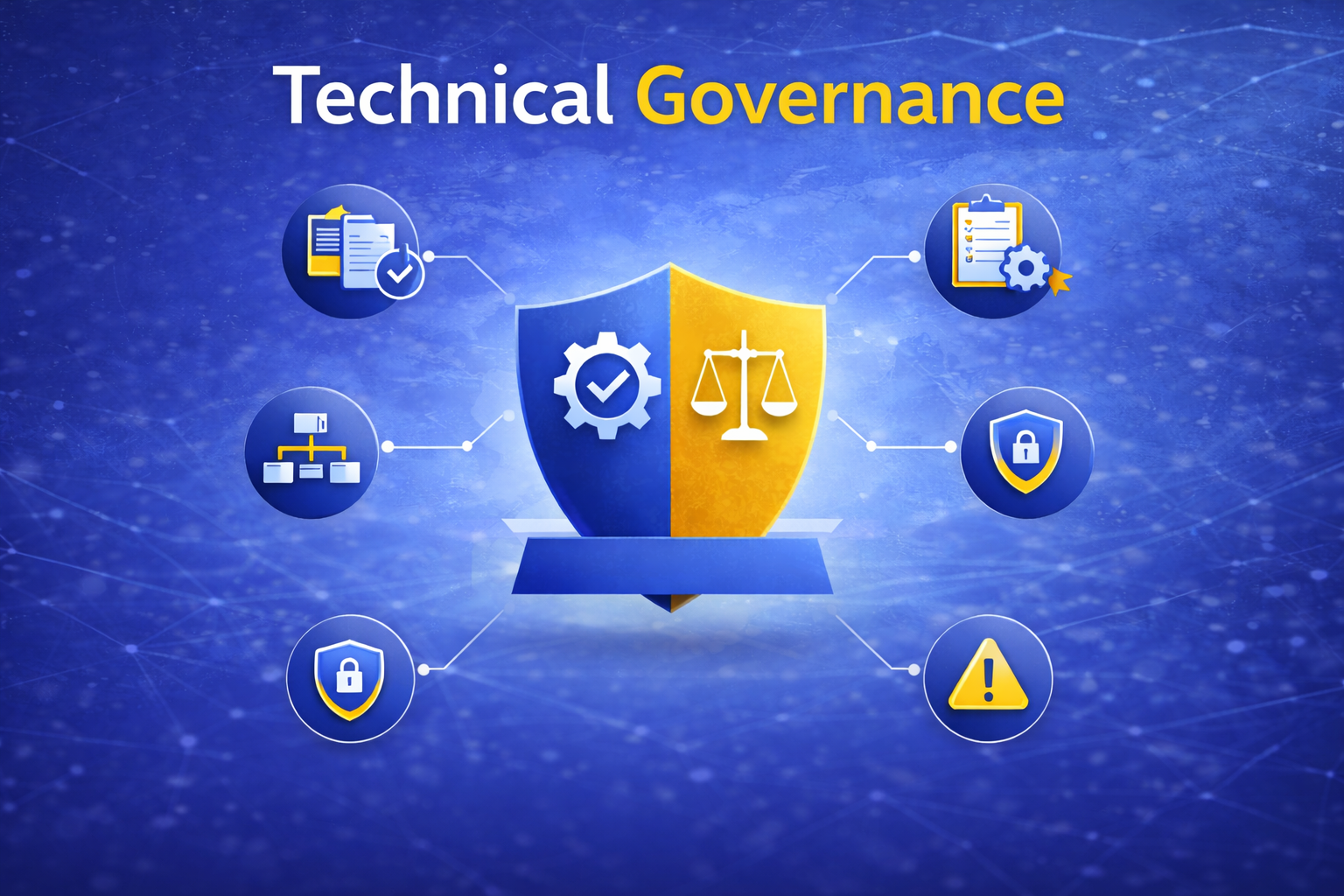
When evaluating a development partner, technical governance should never be overlooked. Mature outsourcing providers operate with clearly defined engineering standards from day one.
A reliable partner should be transparent about:
- Code review process
- Documentation standards
- CI/CD pipeline structure
- Security compliance practices
- Version control policies
At Golden Owl Solutions, development is managed under a structured engineering governance model. Code undergoes layered review checkpoints before deployment, ensuring architectural integrity, scalability, and security compliance. Continuous integration pipelines are configured to support automated testing and controlled releases, reducing regression risk and long-term maintenance costs.
This structured approach separates mature outsourcing partners from vendors that prioritize speed over sustainability.
Financial Stability
- Years in operation?
- Client retention rate?
- Team turnover rate?
Communication Infrastructure
- Overlapping time zones?
- Weekly reporting cadence?
- Escalation process?
Strong remote development teams emphasize structured governance.
Vendor Red Flags When Outsourcing Web Development
If you are serious about learning how to outsource web development safely, recognize warning signs early:
- No sprint planning framework
- Vague pricing structure
- No intellectual property clause
- Unrealistic timeline promises
- No SLA definitions
- No performance benchmarks
- No documentation policy
Vendor immaturity is one of the biggest outsourcing risks.
Step 4 – Contract Structure and Intellectual Property Protection
Contract clarity is critical when outsourcing web development.
Your agreement must define:
- IP ownership transfer
- Confidentiality clauses
- SLA performance expectations
- Milestone-based payment structure
- Termination terms
- Jurisdiction
Without explicit IP ownership transfer, your company may not legally control the codebase.
Understanding how to outsource web development also means protecting your long-term asset.
Step 5 – Governance and Internal Oversight
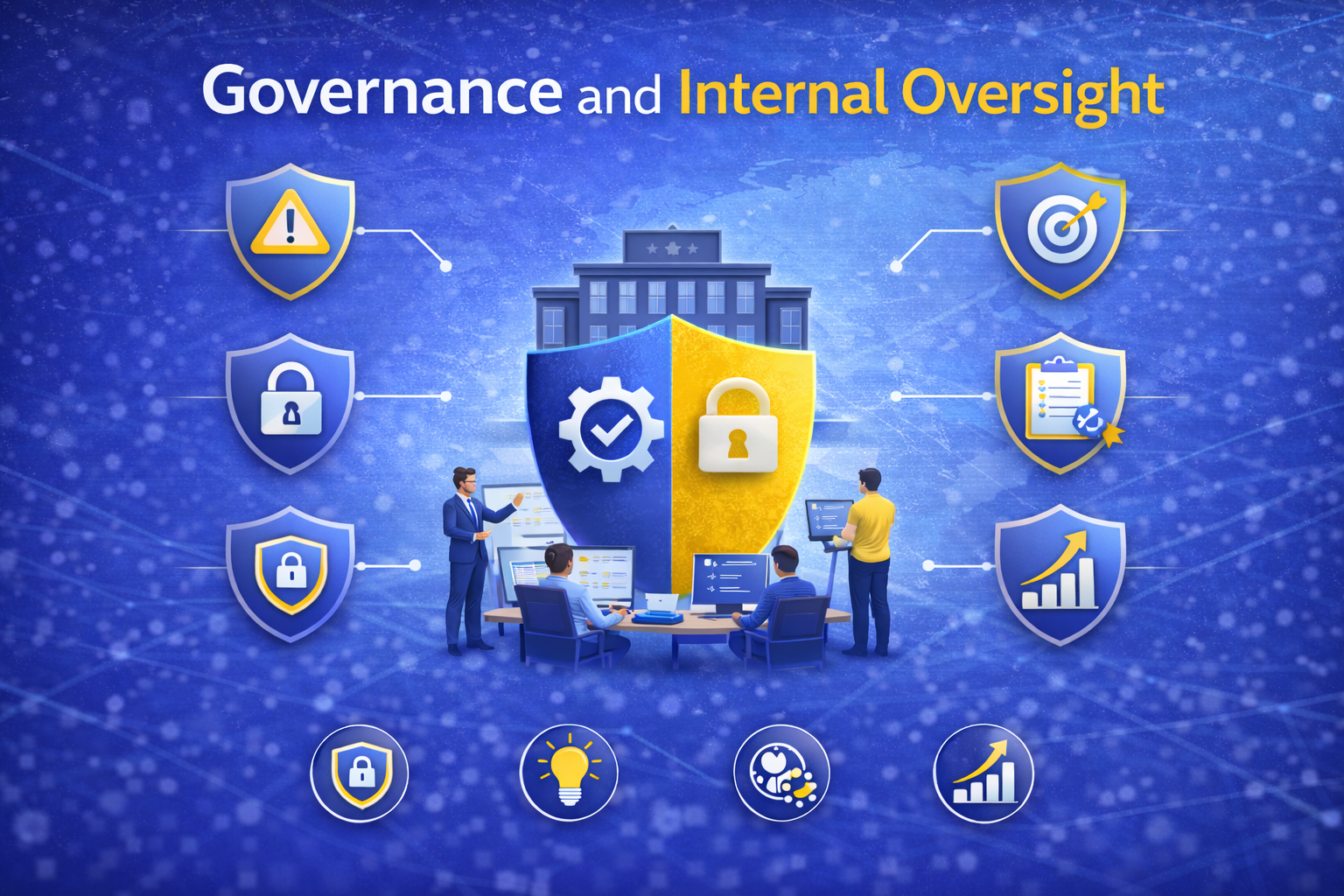
Outsourcing does not eliminate responsibility.
You must assign:
- Internal project owner
- Decision authority
- Technical oversight reviewer (if possible)
Establish:
- Weekly sprint reviews
- Milestone validation checkpoints
- KPI dashboards
- Risk tracking mechanism
Companies that outsource web development successfully treat vendor management as structured governance.
Step 6 – Quality Assurance and Risk Mitigation
When learning how to outsource web development at scale, QA becomes essential.
Monitor:
- Code review cycles
- Security testing
- Load performance testing
- Cross-browser compatibility
- User Acceptance Testing (UAT)
Risk categories include:
- Communication gaps
- Scope creep
- Budget volatility
- IP disputes
- Technical debt accumulation
Mitigation requires structured documentation, sprint transparency, and defined QA checkpoints.
Step 7 – Post-Launch Scalability and Maintenance Strategy
Outsourcing does not end at launch.
Ensure:
- Warranty period (30–90 days)
- Maintenance retainer model
- Security patch schedule
- Performance monitoring
- Feature expansion roadmap
Understanding how to outsource web development long-term means planning beyond deployment.
How Much Does It Cost to Outsource Web Development?

The cost of outsourcing web development depends on five core variables:
1. Project Complexity
The more complex the architecture, the higher the cost.
A marketing website requires limited backend logic, while a SaaS platform with authentication, APIs, and payment systems demands scalable infrastructure and deeper engineering effort.
2. Team Composition
Cost varies based on team structure.
A senior-heavy team increases hourly rate but reduces rework risk. A larger team accelerates delivery but raises burn-rate.
3. Region
Hourly rates differ by geography.
However, cost should be evaluated alongside talent quality, communication alignment, and engineering governance — not price alone.
4. Security Requirements
Compliance needs (GDPR, HIPAA, PCI) increase development and testing hours.
Higher security standards directly impact the budget.
5. Timeline Urgency
Compressed timelines require larger or parallel teams, increasing total investment.
A realistic roadmap helps control cost volatility.
Average Hourly Rates
According to Clutch’s 2026 Web Development Pricing Guide, many web development agencies charge between $25–$49 per hour based on first-party project reviews
Regional benchmarks from industry guides suggest hourly rates vary significantly — for example, $18–$40/hr in South Asia, $35–$70/hr in Eastern Europe, and $30–$60/hr in Latin America.
Broader developer rate comparisons show U.S. and Western European developers commonly exceed $75–$150/hr, while emerging outsourcing markets remain more cost-effective
Estimated Project Cost
- Landing page: $3,000–$8,000
- Corporate website: $8,000–$25,000
- E-commerce platform: $15,000–$60,000
- SaaS platform: $40,000–$150,000+
Cost should be evaluated alongside governance maturity and delivery reliability.
How Long Does It Take to Outsource Web Development?
Timeline expectations are critical when planning web development outsourcing. While general benchmarks provide guidance, real-world delivery depends heavily on scope clarity and stakeholder responsiveness.
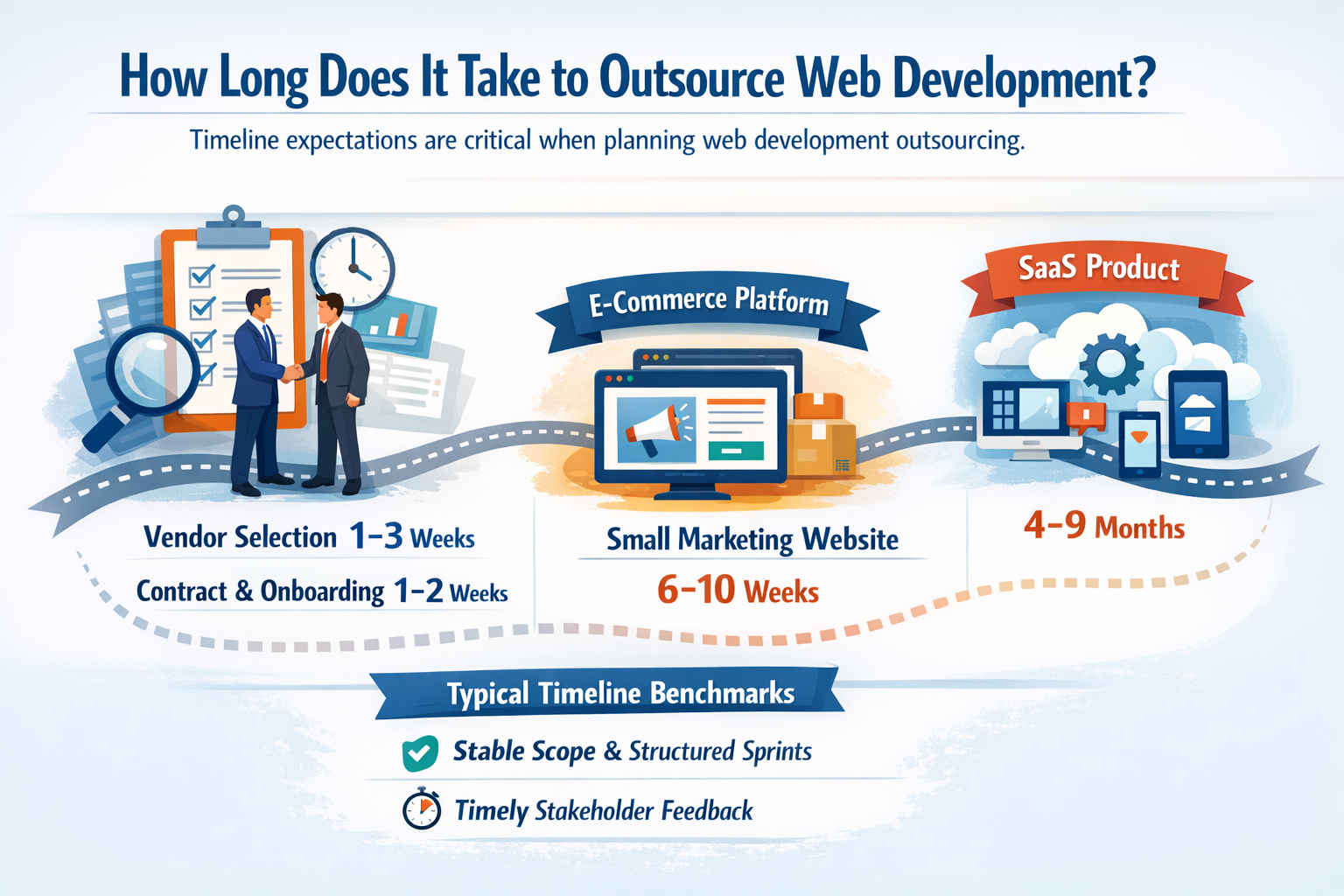
Typical Timeline Benchmarks
- Vendor selection: 1–3 weeks
- Contract negotiation & onboarding: 1–2 weeks
Development Phase (Average Range)
- Small marketing website: 6–10 weeks
- E-commerce platform: 3–5 months
- SaaS product: 4–9 months
These ranges assume stable scope, structured sprint management, and timely stakeholder feedback.
Practical Insight from Project Execution
From experience delivering digital projects across multiple industries, these timelines are realistic under ideal governance conditions. However, project delays typically occur due to non-technical factors rather than engineering capability.
Common delay triggers include:
- Delayed UI/UX approval cycles
- Slow content delivery from client-side teams
- API dependencies from third-party systems
- Changing feature scope mid-sprint
- Extended internal stakeholder review processes
In many outsourcing engagements, the bottleneck is not development speed but decision latency.
When project governance is disciplined — with defined approval windows, structured sprint cadence, and centralized decision authority — delivery timelines remain predictable.
How to Prevent Timeline Slippage
To maintain delivery predictability:
- Assign a single decision owner internally
- Set approval SLAs for UI/UX reviews
- Finalize content and API documentation before sprint execution
- Avoid introducing scope changes without change-control review
Outsourcing accelerates development — but only when business-side responsiveness matches engineering cadence.
Decision Matrix: Should You Outsource Web Development?
Ask yourself:
- Do you need speed to market?
- Do you lack internal technical expertise?
- Is flexibility more important than fixed payroll?
- Can you allocate internal governance oversight?
- Are you comfortable managing a remote development team?
If most answers are yes, then understanding how to outsource web development strategically is likely beneficial.
Frequently Asked Questions (FAQ)
Is outsourcing web development safe?
Yes, when contracts define intellectual property ownership, confidentiality clauses, and SLA performance metrics. Risk mitigation and QA oversight are essential.
What is the best country to outsource web development?
Eastern Europe and Southeast Asia are popular due to strong technical talent and competitive pricing.
How do I protect intellectual property when outsourcing?
Use NDAs, IP transfer clauses, milestone-based payments, and defined access control policies.
Should startpsu outsource web development?
Many startups outsource web development to build MVPs quickly without hiring full in-house teams.
What is the difference between offshore and nearshore outsourcing?
Offshore outsourcing refers to working with geographically distant teams, while nearshore outsourcing involves closer time zones and regions.
Share this page


Table of Content

Subscribe to Golden Owl blog
Stay up to date! Get all the latest posts delivered straight to your inbox