
Learn how to hire forward deployed engineers in 6 steps: define the role, benchmark pay, source candidates, screen for delivery and run a four-round loop.


How to Use AI in Manufacturing
Nov 10, 2026
about 10 min read
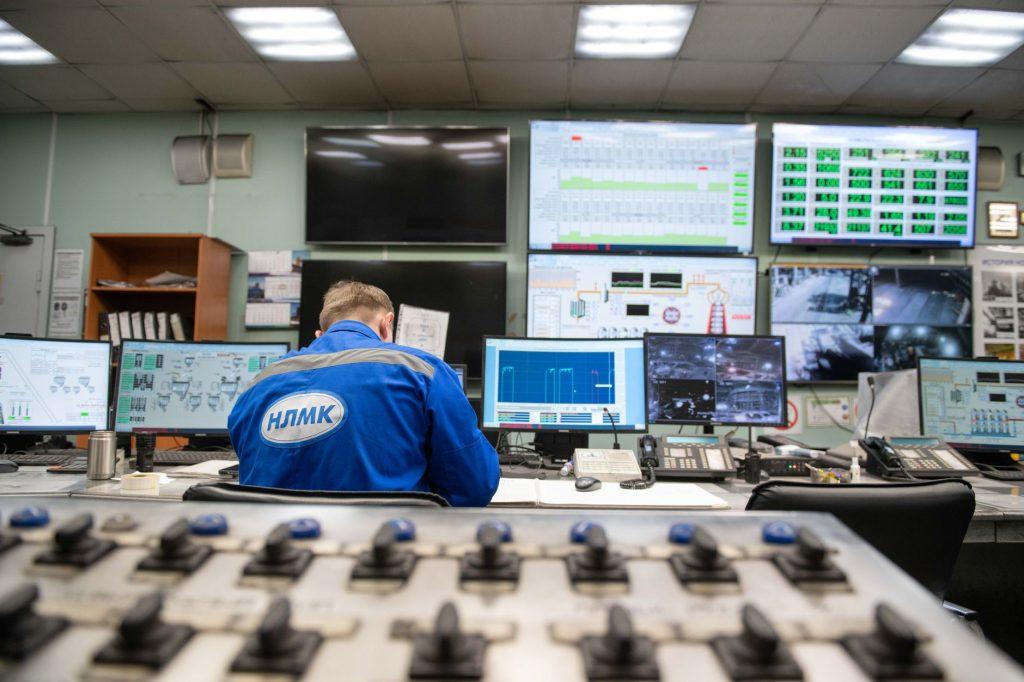
How to use AI in manufacturing: a four-phase rollout from one costly problem to plant-wide change, with data, legacy-equipment and edge tips.
How to use AI in manufacturing comes down to a staged rollout. Pick one costly problem on one line, measure how bad it is today, and test AI on it for a few months. Spread it to other lines only after the numbers improve. You probably have more of the data than you think. Getting it clean, and in front of a model that can act on it, is where the effort goes.
Walk any plant floor and the machines are already logging temperature, vibration and cycle counts (telemetry, in the jargon). Very little of it ever shapes a decision. Industry estimates put the output of manufacturing at roughly 1,800 petabytes of data a year, more than finance, telecom or retail, and research at MIT is often cited for the finding that about 70% of it goes unused. Older controllers often saved those readings to separate drives or wiped them every few shifts. The signal was there. What plant operators lacked was a practical way to turn fast machine readings into changes on the machine itself, so check what your current automation already logs before you buy new hardware.
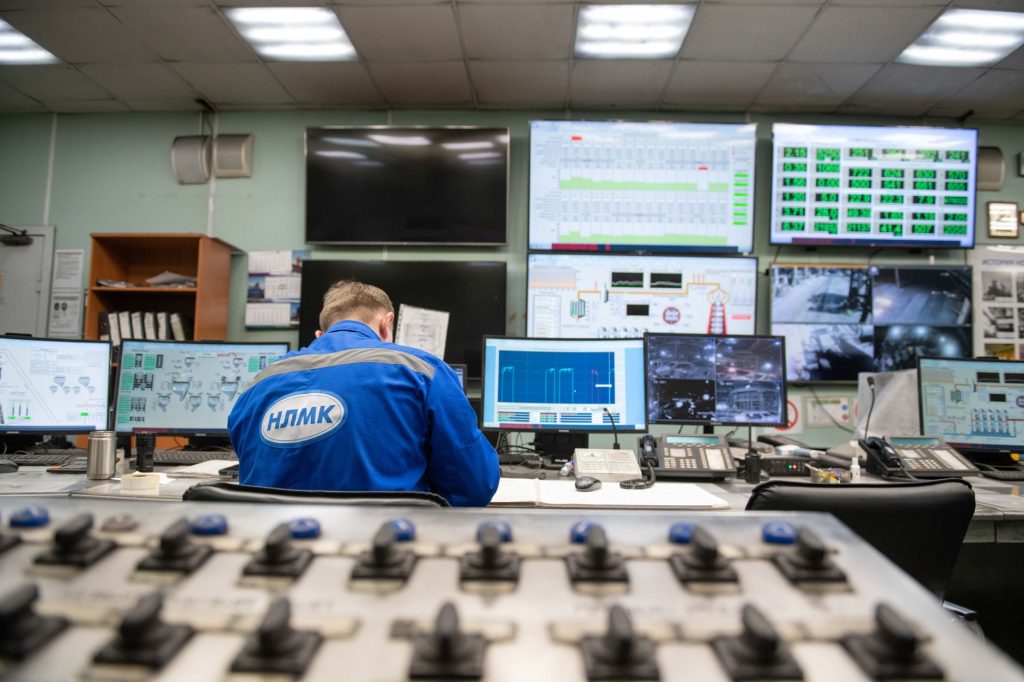
That gap is where AI fits on a real plant floor. A dashboard shows numbers and waits for someone to look. An AI layer reads the same live data and proposes the next control step, such as heading off a breakdown or retuning a setting, sooner than a crew watching screens would.
How to Use AI in Manufacturing Step by Step
The safest route is four stages (the month ranges below are a typical outline, so adjust them to your plant), from basic preparation to plant-wide change, with a gate at the end of each. You move on only when the numbers from the last stage hold up, and the money they save helps fund the next one. Sweeping factory-wide software overhauls fail on real production floors with depressing regularity (and they are expensive when they do).
Pick a narrow problem that throws off plenty of data and that you can already measure. Your engineers can then see progress from the first day. Whatever you aim AI at, whether it’s faster lookups in technical manuals or catching defects on a fast line, it depends on a steady supply of clean data underneath.
The money is already moving. In Deloitte’s 2025 smart manufacturing survey of 600 executives at large manufacturers, 78% said they put more than 20% of their improvement budget into smart-manufacturing projects.
The leading sites now treat machine-learning models as normal plant equipment rather than experiments.
Foundational Strategy
Phase 1, Strategy and Foundation (months 1–3), is mostly groundwork. Link the plant’s business targets to the AI plan and get the basic data pipelines working, meaning the systems that carry machine data to somewhere it can be used. Then pull together a small steering team. Operations and IT should be on it, and so should a couple of the technicians who run the machines every day. In the first quarter that team chooses two or three problems with a payback you can measure, and the pilot takes on one of them. Usually these are the losses everyone already complains about, like a part whose scrap rate keeps spiking or a line that loses hours to unplanned stops.
Give the pilot its own budget. Sensors, network links and local computers are the obvious costs, but the work of preparing data, connecting systems and training operators has to be priced too. Then work out what it would cost to copy the setup to similar cells (groups of machines doing the same job). Before sign-off, get everyone to agree on a few answers. What does the problem cost now? How much should it improve, and how much effort will the fix take? Who runs it day to day, and what payback would justify going further?
Who should build it? That depends on what your team has. If your people know the process and have the technical skills, keep it in-house. An agency or specialist makes sense when one missing skill would otherwise hold up a small pilot. Plenty of plants end up with a mix: outside help to get started, then the plant’s own staff take over running the system.
While you choose targets, audit your sensors. You want to know how much data you have and whether the signals can be trusted. Some data will be stuck on single machines that don’t share it with anything (data silos), and it is better to find those now. This is also the time to write a data governance policy. Keep it plain: who can log in, which data stays private, who owns which assets.
Here is why reliable shop-floor data matters, in five parts:
- Accuracy and Reliability: Models forecast shop-floor events from your operating data, so inaccurate or inconsistent inputs lead straight to wrong predictions and wrong control decisions.
- Efficiency: Clean machine data takes much less computing power and time to process on local hardware.
- Bias Reduction: Training data should cover every condition a line runs under. When it does, skewed or wrong automated decisions drop sharply.
- Scalability: Spreading AI across departments and processes only works if every site keeps its data to the same standards.
- Compliance and Security: Strict data management rules protect your production figures and keep intruders off the plant network. They also keep you within regulations.
Before you switch any algorithm on, check the machine readings against what is really happening on the floor. That means calibrating instruments on site, such as the scales that weigh incoming raw material. If work centers log data in disconnected systems, connect them before launch, or the model will make bad calls from partial data.
Record a firm baseline before go-live, so later gains can be measured against it and nobody can argue with the financial result. Set targets for each machine with care, too. Keep engineering measures separate from overall plant output goals, so the software works on the exact constraint that is slowing the line.
Proof of Value Piloting
Phase 2, Pilot and Proof of Value, runs from about month 4 to month 9. The software goes into a small, closed-off test area, where it has to show that it works and win over plant executives. One cell, or one production line you can wall off, is enough for the first rollout.
Then hold the live output up against the baseline from Phase 1. That comparison is what leadership will ask for before paying to roll the tools out to other lines, so keep it honest.
Train frontline operators on the system straight away. The people running the machines on each shift will notice what the software gets wrong, and their feedback shapes the fixes that matter most.
People will not use what they don’t understand. Walk operators through what the system looks at and why it raises an alert. And give floor staff an easy way to complain, report bugs or suggest changes, since they will hit the problems first.
A pilot can work well in one cell and then go nowhere. Integration problems or vendor license fees make the jump to more sites hard to justify. A cheap first pilot lowers that risk. Camera-based defect inspection is a common pick, because it needs few changes to existing machinery.
Industrial Scaling
From month 10 to 18 comes Phase 3, Scale and Industrialize, which extends the working prototype to supporting equipment, nearby production lines and sister plants in the region. At this size, pipelines that run only in the cloud become fragile. The usual fix is a hybrid setup. Small local computers (edge processors) sit right next to the machines, and decisions no longer wait on a round trip to a remote server.

Running models on several lines brings a new chore: keeping them accurate. Teams call this routine MLOps, short for machine learning operations. Models get worse as plant conditions shift. Cutting tools wear, the seasons change the temperature on the floor, and vibration sensors slowly drift. Train a camera inspection model on one batch of raw material and it can fail the day the incoming stock changes. So teams retest models on a schedule, retrain them on fresh data and keep an eye on the incoming readings.
Phase 4, Innovate and Transform, starts around month 19. By then the pilot fixes are part of normal plant routine and the pipelines and local computers are dependable, so engineers can try harder things. Closed-loop automation lets the system adjust the process by itself, say by nudging an oven temperature back when readings drift, without waiting for an operator. A digital twin, a virtual copy of the supply chain, lets you test a change on screen before you make it for real. When people at every level can pull up the data themselves, small improvements start coming from the shifts.
Key Challenges in Manufacturing AI Implementation
Security comes first. Connecting plant machinery (operational technology, or OT) to cloud analytics opens new routes for cyberattacks. Keep machine networks apart from office networks, control who can reach them, and lock that link down before go-live. The other two big challenges are money, since scaling a pilot takes capital, and people, since the workforce has to accept the change.
Cost and Change-Management Barriers
Expect some pushback from operators who worry about their jobs. Being open about what the system will and won’t do helps, and so does retraining aimed at the people most affected. The change is coming either way, so say so early.
AI takes over much of the high-volume, repetitive work, and the gains last only if your team understands it. Good training covers the core ideas as well as the buttons: how to read the data, use the new tools and apply the AI to their own processes. People who understand the system make faster and safer calls.
Building, deploying and maintaining AI in a factory also runs into a big skills gap. In a 2025 Rootstock survey of 369 manufacturers, 45% cited a lack of in-house AI expertise as a major concern. Hiring a few data scientists won’t fix that by itself. The operators, process engineers and maintenance technicians already on staff are the ones who will work next to these systems every day, and they need to learn to trust what the systems recommend. The same survey found that 60% of manufacturers are prioritizing training and upskilling on AI.
Money is the other wall. Many pilots work but never make it into full production, a trap known as pilot purgatory. Heavy capital needs are a big reason, especially for mid-sized and smaller plants that have to pay for upgraded infrastructure, software licenses and new hardware.
Data, Brownfield, and Edge Infrastructure
Industrial AI rests on reliable flows of plant data. For an older plant, that often means hooking up existing equipment and doing some of the processing on site. DataOps, the job of keeping data pipelines clean and running, is described in one market forecast as the fastest-growing part of industrial connectivity software, at 49% a year through 2028.
Brownfield Integration
Getting usable data off running lines is hard from the start. A greenfield plant, built from scratch, lets you run fresh cables for connected sensors (IIoT, the industrial internet of things) and install new gear. A brownfield plant, one that is already running, has messier physical problems on the floor.
Older facilities collect generations of mismatched machines and aging vendor control panels. Individual lines often lack the shared cabling and network backbone needed to send data cleanly. Check for software gaps early as well. Without a platform that collects live machine signals, your historical logs sit unused. A mix of analog and digital sensor outputs slows data collection even more.
Edge gateways help here without forcing you to rip out lines that still work. Think of them as small translators bolted onto the line: old signals go in, and clean, standard data comes out.
On the software side, two teams have to talk. The engineers who maintain the line hardware and the team deploying the models should agree early on operating rules and on shift-by-shift runbooks (step-by-step instructions for each shift). Otherwise an integration problem can bring production down.
Industrial Edge Computing
With edge computing, readings get checked right at the machine instead of travelling to an outside data center and back. When an Internet of Things (IoT) sensor spikes, the local system can respond at once. A drifting machine can be corrected before it turns out more bad parts.
This approach, usually called Edge AI, also avoids network delay, keeps sensitive data inside the plant and cuts your reliance on the cloud. Rugged industrial computers make it practical. Units like the NVIDIA Jetson, small AI computers for factories and robots, are aimed at this kind of work: they can run tasks such as robot control and visual inspection next to the conveyor, without waiting on an off-site data center.
Emerging Trends in Manufacturing AI and Their Operational Implications
Two trends matter most once the first cell pays off: better machine connectivity, and smarter control logic you can copy to similar bottlenecks. Expand only when the first installation has trustworthy signals, a named owner and a cash return you can show.
Physical AI, meaning machines that sense and act in the real world, can grow out of those gains too. It only makes sense where the cell has already proven its data quality, safety controls and repeatable task conditions. Humanoid robots and other more autonomous machines may one day take on demanding mechanical jobs. Let them follow working shop-floor deployments; they shouldn’t be the reason for a plant-wide overhaul.
Conclusion
Begin with one bottleneck station and the on-site hardware it needs, skip the plant-wide cloud project, and prove the gain on the line before going wider. So the first job is simple: find the station that costs you most and write down how it runs today.
Share this page


Table of Content

Subscribe to Golden Owl blog
Stay up to date! Get all the latest posts delivered straight to your inbox