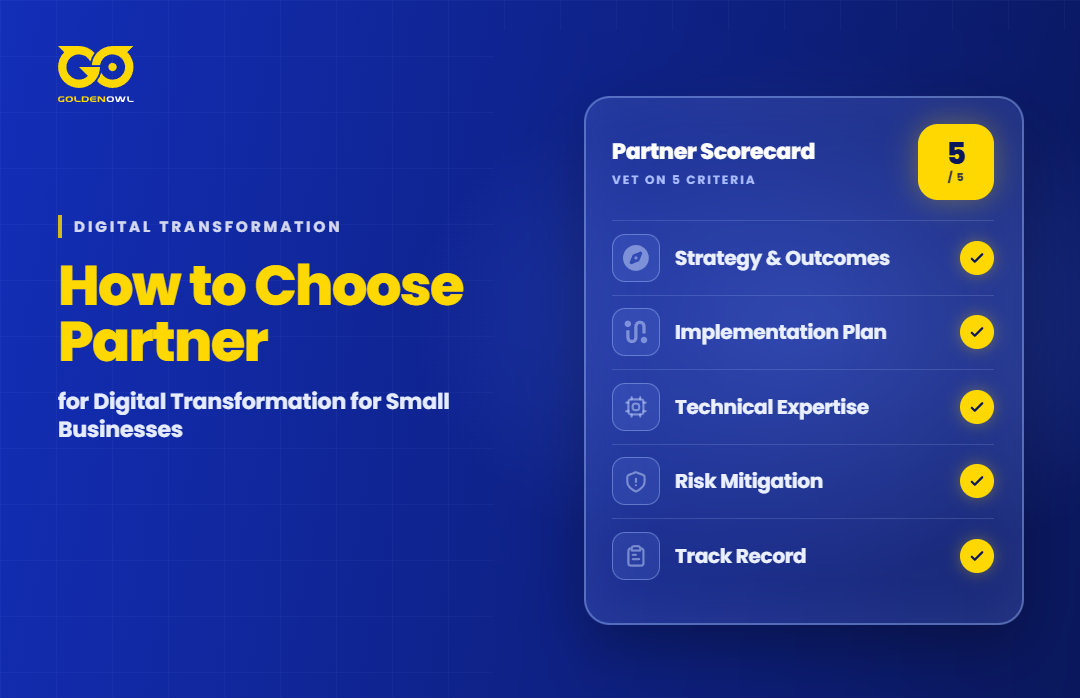
Software is the easy part. Learn how to choose the right partner for digital transformation for small businesses that focuses on real outcomes.


Is Odoo Right for You? Real-World Odoo ERP Advantages and Disadvantages
Nov 10, 2025
about 8 min read
Explore the Odoo ERP advantages and disadvantages. Learn how its flexibility, modularity, and cost-efficiency compared to traditional ERPs for modern businesses.
In a rapidly evolving business landscape, organizations face increasing pressure to streamline operations, unify data, and gain real-time insights across all departments. Choosing the right ERP system is critical, as it can directly impact efficiency, scalability, and strategic decision-making. Odoo ERP has emerged as a flexible, modular, and cost-effective alternative to traditional enterprise systems like SAP, Oracle, or Microsoft Dynamics.
This article provides an in-depth look at Odoo ERP advantages and disadvantages, helping business leaders evaluate its strengths, potential limitations, and whether it aligns with their operational goals and long-term growth strategy.
What is Odoo ERP? A Strategic Overview for Business Leaders
In today’s hyper-competitive landscape, business leaders are under constant pressure to modernize operations, unify data, and achieve real-time visibility across departments. Odoo ERP, combined with effective ERP software development, has emerged as a strategic alternative to legacy systems such as SAP, Oracle, or Microsoft Dynamics — not merely as a cheaper option, but as a fundamentally different approach to enterprise resource planning.
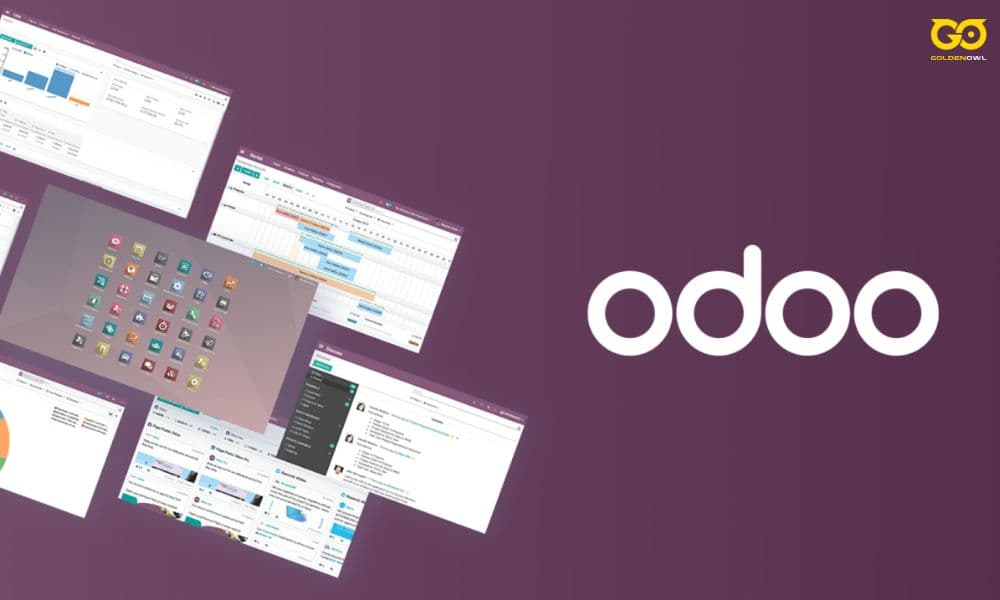
Built on an open-source foundation, Odoo delivers a fully integrated suite for CRM, accounting, manufacturing, HR, supply chain, and more. Its modular architecture allows organizations to implement what they need now and scale gradually as business demands evolve.
The “All-in-One” Promise: A Unified Platform for Every Business Function
Odoo’s value proposition lies in consolidation. It eliminates the inefficiencies of juggling multiple disconnected systems.
With Odoo, finance, operations, sales, and customer service are seamlessly connected, ensuring that leaders can base decisions on real-time, unified data rather than fragmented reports.
Why Odoo is Different: The Open-Source Model
Odoo’s open-source model fundamentally shifts control back to the business. Unlike closed ERP ecosystems, Odoo gives enterprises access to the source code, enabling deep customization, flexibility, and independence from vendor lock-in.
This model is sustained by a global community of developers and partners, continuously improving the platform and expanding its capabilities — something proprietary vendors often struggle to match.
The Core B2B Decision: Odoo Community vs. Odoo Enterprise
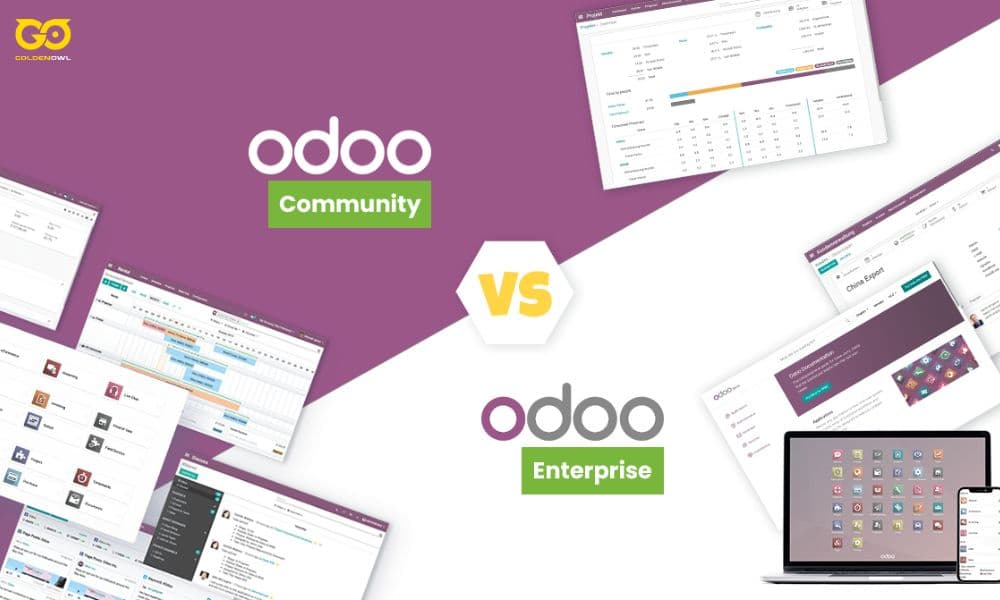
For any organization evaluating Odoo, the first strategic decision lies in choosing between its two editions — Odoo Community and Odoo Enterprise. Understanding these differences is essential before making a long-term ERP investment.
Odoo Community (The “Free” Version)
Odoo Community is the open-source edition available free of licensing fees, supported by a global developer network. It offers essential modules for digitizing core operations like CRM, sales, inventory, and purchasing, providing a solid foundation for process automation.
This version suits startups and small businesses — or organizations with strong in-house IT teams — that want to experiment, customize, and deploy Odoo with full access to source code and minimal cost.
However, it lacks advanced enterprise features such as automated upgrades, localization, mobile access, and official support from Odoo S.A. As operations scale, these gaps can lead to maintenance burdens, version fragmentation, and compliance risks.
Odoo Enterprise (The “Paid” Version)
Odoo Enterprise builds on the Community edition with enhanced features, premium modules, and direct support from Odoo S.A., offering a more robust ERP solution for organizations needing reliability, scalability, and compliance.
It includes advanced capabilities such as accounting automation, workflow management, BI dashboards, HR tools, and multi-company support, all maintained with regular updates and bug fixes. Cloud options like Odoo Online and Odoo.sh further simplify deployment, reduce infrastructure overhead, and ensure uptime and security compliance.
From a governance perspective, Enterprise provides a predictable, vendor-supported operating model, combining innovation, centralized support, and accountability. For mid-sized and larger organizations, it delivers the stability and control required for mission-critical operations.
Why You Can’t Mix Community and Enterprise
While both editions share the same underlying framework, mixing Odoo Community and Enterprise within a single deployment is not operationally viable.
Enterprise modules cannot be installed on top of a Community instance without violating license terms, and doing so often leads to compatibility conflicts and upgrade failures.
From a governance and IT compliance standpoint, hybrid implementations introduce unnecessary complexity — fragmented support structures, unclear ownership of updates, and increased risk during version migrations.
Therefore, organizations should commit to one edition early in their ERP planning process, aligning the choice with their budget, internal IT capacity, and long-term scalability goals.
Key Advantages of Odoo as a Business Solution
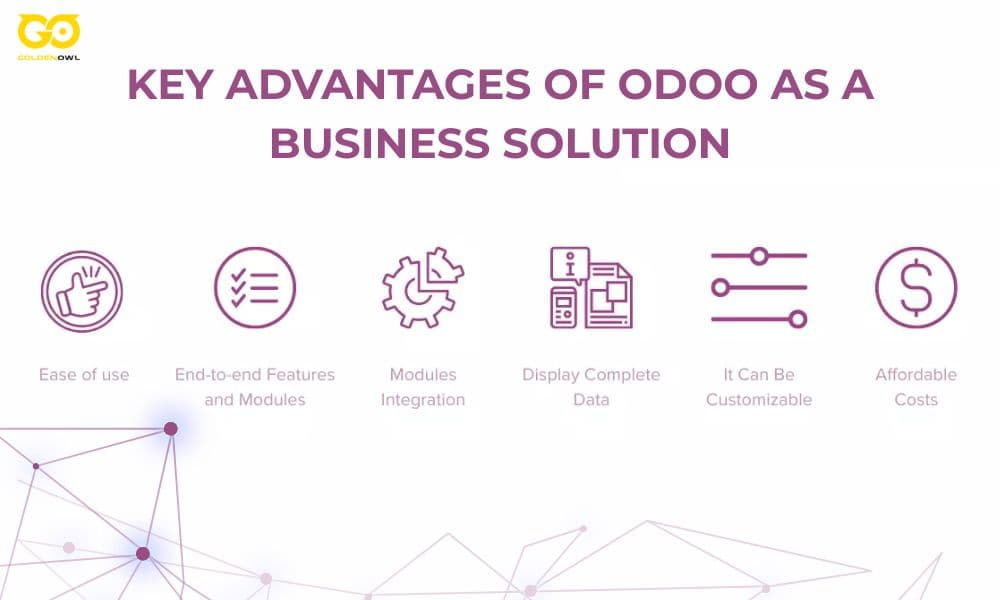
In an era where operational agility defines competitiveness, Odoo offers businesses more than just an ERP. It delivers a platform designed to adapt, scale, and optimize every core process. Here are some of the key advantages of the Odoo ERP system:
Pro 1: Strategic Flexibility and Deep Customization
Odoo stands out for its strategic adaptability — a capability rarely achievable with legacy ERP platforms.
Built on an open-source framework, Odoo allows organizations to tailor workflows, design bespoke modules, and integrate seamlessly with external applications or data sources. This means businesses can align system logic directly with their operational model instead of being forced to adapt to rigid, pre-defined ERP structures.
Pro 2: Modular Expansion Across the Enterprise
Odoo’s modular architecture offers a pragmatic approach to ERP transformation. Organizations can begin with essential modules such as: CRM, Accounting, or Inventory and expand into Manufacturing, HR, Marketing Automation, or Business Intelligence as operational needs mature.
This modularity ensures that businesses maintain budget discipline and implementation control, enabling phased rollouts instead of high-risk, all-at-once migrations.
Pro 3: Competitive and Transparent Cost Structure
Unlike legacy ERPs that lock customers into long-term contracts, hidden consulting fees, and costly licensing tiers, Odoo offers a predictable, subscription-based pricing model with full cost visibility.
Enterprises can choose whether to host on Odoo Online, Odoo.sh, or their own infrastructure — all without vendor lock-in. Additionally, Odoo’s global partner ecosystem gives organizations freedom to select implementation partners that fit their budget, industry, and governance requirements.
Pro 4: Intuitive User Experience and Rapid Adoption
Odoo’s modern, web-native interface simplifies user interaction across departments. Its consistent design language across all modules reduces onboarding time, while built-in mobile accessibility enables hybrid and distributed teams to operate efficiently from any device.
Moreover, Odoo’s interface emphasizes data clarity, usability, and real-time visibility, empowering managers and frontline employees alike to make faster, more informed decisions.
Disadvantages & Strategic Risks of Odoo Implementation
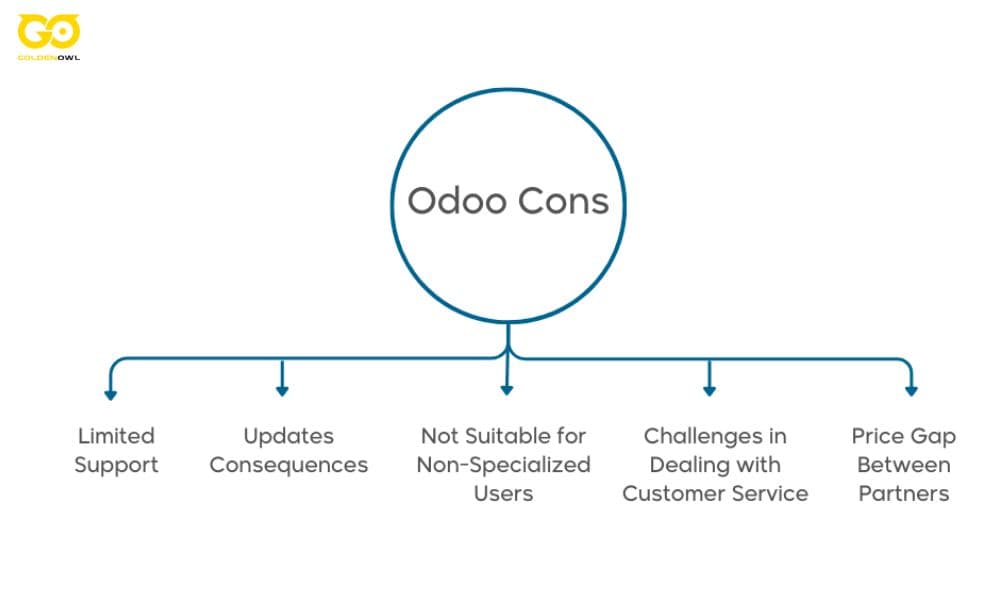
While Odoo offers significant value as a flexible and cost-effective ERP platform, organizations should also recognize the strategic and operational risks associated with its implementation and long-term management.
Con 1: Dependence on Implementation Partners
The success of an Odoo implementation is largely determined by the competence and governance maturity of the selected partner. Given the broad diversity of Odoo partners—ranging from boutique consultants to global integrators—capabilities can vary dramatically.
Addressing these challenges requires partnering with experienced Odoo specialists. Companies like Golden Owl Solutions provide expert Odoo ERP Software Development services to ensure disciplined governance, seamless implementation, and long-term support, mitigating the risks of partner dependence.
Con 2: Maintenance and Upgrade Complexity
Odoo’s high customizability, while strategically valuable, often introduces technical debt over time.
Major version upgrades can require code refactoring, dependency realignment, and comprehensive regression testing, especially when custom modules have been extensively developed.
This complexity increases both the cost and duration of maintenance cycles, potentially disrupting business continuity.
Con 3: Fragmented Support and Accountability Model
Odoo’s support ecosystem presents a unique governance challenge. Enterprise clients receive assistance directly from Odoo S.A., while Community users depend on third-party partners or open-source channels.
In the absence of clearly defined roles, responsibilities, and escalation paths, support accountability can become fragmented—especially during critical incidents.
Organizations should establish structured service-level agreements (SLAs) and centralized ownership models early in the implementation cycle to maintain operational resilience.
Con 4: Scalability Constraints for Large Enterprises
For large, multinational, or highly regulated enterprises, Odoo may demand significant architectural customization to achieve the scalability, compliance, and auditability offered by top-tier ERPs such as SAP S/4HANA or Oracle Fusion.
While Odoo supports multi-company, multi-currency, and multi-language environments, performance under high transaction loads and complex consolidation reporting may vary depending on configuration.
What Type of Business is Odoo Really For?
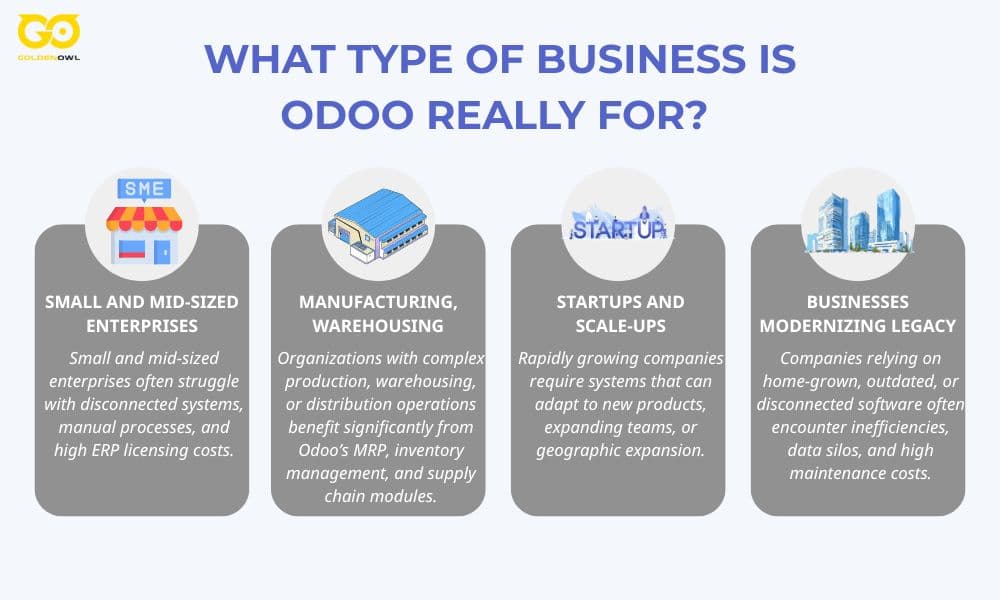
Odoo’s flexibility and modular design make it suitable for a wide range of organizations, but its strategic value is most pronounced in businesses seeking operational efficiency, scalability, and cost control.
SMEs Seeking a Unified, Cost-Effective ERP
Small and mid-sized enterprises often struggle with disconnected systems, manual processes, and high ERP licensing costs. Odoo provides a single, integrated platform with seamless CRM integration, covering accounting, sales, inventory, and HR — enabling businesses to streamline operations without the financial and operational overhead of traditional ERP systems.
For business leaders, this translates into improved visibility, faster decision-making, and a clear ROI on digital investment.
Manufacturing, Warehousing, and Inventory-Centric Organizations
Organizations with complex production, warehousing, or distribution operations benefit significantly from Odoo’s MRP, inventory management, and supply chain modules.
When evaluating Odoo ERP vs supply chain management, these features provide real-time control of stock, production planning, and procurement, helping businesses reduce operational bottlenecks, optimize inventory levels, and increase fulfillment accuracy.For manufacturers and distributors, Odoo serves as a centralized operational hub that aligns production, logistics, and sales teams.
Startups and Scale-Ups Focused on Agility
Rapidly growing companies require systems that can adapt to new products, expanding teams, or geographic expansion.
Odoo’s modular architecture and low upfront cost offer a flexible foundation that scales with the business while maintaining control over processes, compliance, and cost.
For business leaders, this means they can implement quickly, iterate rapidly, and avoid vendor lock-in, supporting growth without sacrificing operational discipline.
Businesses Modernizing Legacy or Fragmented Systems
Companies relying on home-grown, outdated, or disconnected software often encounter inefficiencies, data silos, and high maintenance costs.
Odoo provides a cost-efficient pathway to full digital transformation, integrating multiple functions into a single, modern platform.
For executives, adopting Odoo enables consolidated reporting, enhanced data accuracy, and streamlined workflows, allowing the organization to compete more effectively in a digital-first environment.
How Odoo Compares to Key Competitors
Choosing the right ERP means balancing cost, flexibility, and scalability.Odoo stands out with its modular design, open-source adaptability, and transparent pricing, offering a smart alternative to NetSuite, SAP Business One, and Microsoft Dynamics 365.
The table below highlights where Odoo excels and the key trade-offs to guide strategic ERP decisions.
Odoo vs. NetSuite
Criteria | Odoo | NetSuite |
Flexibility | Highly modular, easy to customize | Limited; relies on certified partners |
Cost | Lower TCO, transparent pricing | High licensing and consulting fees |
Speed | Fast deployment | Slower, requires detailed planning |
Scalability | Good for SMEs & mid-sized companies | Strong for global, multi-country enterprises |
Target Users | Growing businesses, startups | Large multinational corporations |
Odoo vs. SAP Business One
Criteria | Odoo | SAP Business One |
Flexibility | Modular, supports rapid process changes | Less agile, heavy consulting needed |
Cost | Lower TCO | High licensing & implementation costs |
Speed | Quick deployment | Moderate, dependent on consultants |
Agility | Supports innovation | Slower to adapt |
Target Users | SMEs, scale-ups | Mid-sized enterprises |
Odoo vs. Microsoft Dynamics 365 BC
Criteria | Odoo | Dynamics 365 BC |
Flexibility | Highly customizable | Moderate, can be complex |
Cost | Transparent, lower TCO | Moderate, extra costs for add-ons |
Speed | Rapid deployment | Moderate, better with Office 365 integration |
Agility | Fast process iteration | Less flexible for redesign |
Target Users | SMEs, startups, growing companies | SMEs & mid-sized businesses in Microsoft ecosystem |
Odoo is a powerful, cost-effective ERP that offers unmatched flexibility for growing enterprises. However, realizing its full potential requires strategic planning and expert execution. If you're ready to leverage Odoo's advantages while mitigating its risks, trusted partners are essential. Golden Owl Solutions specializes in Odoo ERP Software Development, helping businesses tailor the platform to their exact needs, ensuring a smooth, high-ROI implementation. Contact us today for a strategic consultation.
To fully leverage Odoo's capabilities without encountering technical debt, partnering with an experienced vendor is crucial. Golden Owl's ERP Software Development service provides end-to-end solutions, from strategic consulting and deep customization to seamless implementation and long-term maintenance.
Odoo ERP FAQs for B2B Leaders
1. What is the real total cost of an Odoo implementation?
Costs vary based on modules, hosting, and partner fees. Typical mid-sized implementations range from USD 20,000–150,000, depending on customization depth.
2. Is Odoo Community suitable for professional businesses?
Yes — especially for SMEs with internal IT capacity. However, Enterprise offers better compliance, reliability, and access to official support.
3. How long does it take to implement Odoo?
Implementation timelines average 3–9 months, depending on business size, data migration scope, and the number of modules involved.
4. Can Odoo handle multi-company and multi-currency operations?
Yes. Odoo supports multi-company, multi-currency, and multi-language environments — with Enterprise providing more seamless automation.
5. What’s the difference between Odoo (the company) and its Partners?
Odoo S.A. develops and maintains the software. Certified Odoo Partners handle deployment, customization, and support — acting as the implementation backbone for most B2B projects.
Share this page


Table of Content

Subscribe to Golden Owl blog
Stay up to date! Get all the latest posts delivered straight to your inbox