
An AI legal assistant does the first pass of legal work. See what it can and can’t do, and which legal AI tools fit research, contracts, or practice management.


How to Choose AI Business Process Optimization Solutions
Sep 9, 2026
about 12 min read

Implementing modern AI business process optimization solutions allows you to feed operational data straight into dynamic systems instead of relying on brittle
Implementing modern AI business process optimization solutions allows you to feed operational data straight into dynamic systems instead of relying on brittle, rigid rules, immediately highlighting where workflow bottlenecks form. Once you map those operational delays, configure the platform to either recommend concrete adjustments or run the routine handoffs directly for your staff. These mechanisms consistently lower error counts, compress overall cycle times, and rein in operational expenses across your teams.

Over time, this background automation delivers far more dependable output across daily operations while freeing your staff to direct their attention where it counts most. Once you put these systems into everyday practice, teams routinely record clear improvements across internal efficiency benchmarks and customer satisfaction scores.
AI Business Process Optimization Solutions and Tools
Weighing different ai business solutions against your actual workflow bottlenecks and engineering bandwidth is the only reliable way to land on the right software.
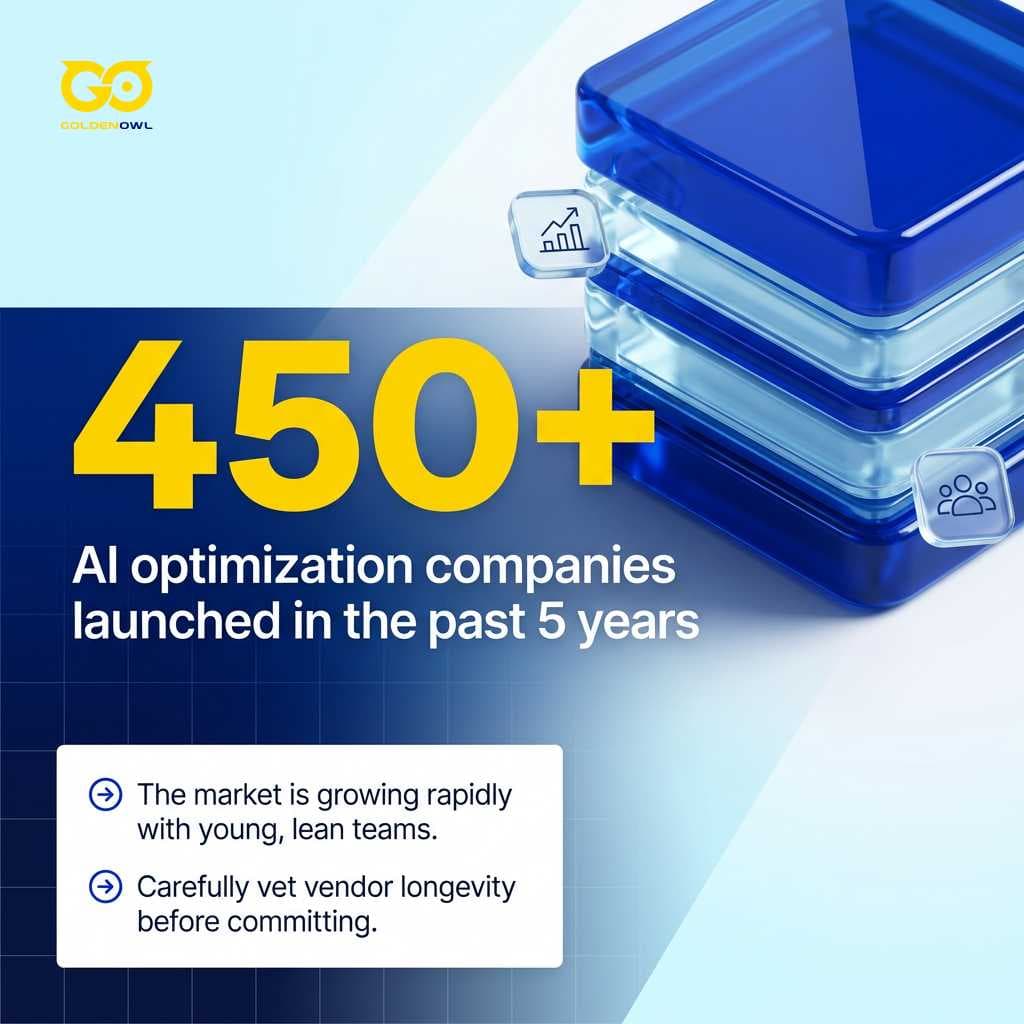
You have more than 5.3K organizations currently building products across the AI optimization market, which leaves you sorting through an overwhelming pile of vendor pitches. Most of the newer outfits stay small. Looking at the cohort of 450+ companies launched over the past five years, 2021 is the median founding year and average headcounts sit at roughly 10 workers. Average funding reached 5.8 trillion.
Industry analysts put the broader AI sector at a 196.63B valuation back in 2023, powered mostly by platforms that chew through years of operational data in seconds. That kind of historical depth lets you spot shifts in customer behavior well before your rivals do, giving you real numbers to anchor your strategic decisions. Look at your own company for proof. Projections show that by 2025, 75% of people using generative AI at work tap these tools to handle communication and clear out routine administrative chores. Automated assistance is already part of the daily baseline.
Three distinct platforms show how teams put process optimization into practice:
DataRobot
Automated Machine Learning Capabilities DataRobot handles the entire modeling pipeline from raw data prep straight through to production release, so non-technical operators can deploy working models without hiring a dedicated engineering squad. The product relies on automated modeling and click-to-run workflows while explaining how each prediction gets calculated. It evaluates hundreds of predictive models simultaneously to pick top performers. Always check the governance features before you sign. To keep production decisions dependable, the software bakes in bias detection and continuous model tracking right out of the box.
Target Operational Profile If you want fast deployment without payroll for specialized researchers, DataRobot makes immediate sense. You see the fastest practical payoff in retail when managing inventory levels, alongside banking when scoring credit applicants. Insurance teams also see rapid gains when processing policy claims.

Customization and Cost Considerations Tight budgets will feel the pinch once you move into enterprise contract tiers. And if your developers insist on writing custom model architectures from scratch, they will quickly run into hard product walls.
H2O.ai
Automated Machine Learning and Transparency H2O.ai approaches workflow automation through both its open-source H2O-3 codebase and its commercial H2O AI Cloud suite, prioritizing system transparency over black-box outputs. The platform manages everything from raw feature creation and model comparisons down to live production endpoints in one place. Tap into its AI AppStore to grab ready-made templates for demand forecasting and equipment maintenance, giving regulators and internal auditors clear visibility into how predictions get calculated. Total model interpretability sits at the core of the design.
Target Operational Profile and Pricing Companies with heavy regulatory scrutiny or strict governance requirements naturally gravitate toward H2O.ai. Common use cases include healthcare teams reviewing patient intake records alongside factory managers scheduling machine upkeep. Financial companies also benefit when tracking portfolio risk in real time. You can run the underlying H2O-3 framework without spending a dime on licenses, but accessing the comprehensive H2O AI Cloud setup requires paying for enterprise software.
Resource and Technical Requirements While downloading the raw H2O-3 library is completely free, securing enterprise support and full governance tooling requires serious capital. Your engineers get the best mileage here because dialing in parameters by hand unlocks the real value behind the automated engine.
AutopilotAI
AutopilotAI builds niche automation products aimed directly at distinct vertical operations. Headquartered in India, the company started in 2022 and maintains a lean core of 2-10 employees. It currently carries a Medium signal strength rating on market trackers.
The system deploys custom algorithmic workflows to rebalance warehouse stock and synchronize vendor handoffs. These routines also strip waste out of complex operational pipelines. When installed across clinic floors, the software automates patient appointment scheduling, which frees doctors and nurses to spend their working hours on direct clinical care rather than calendar logistics.
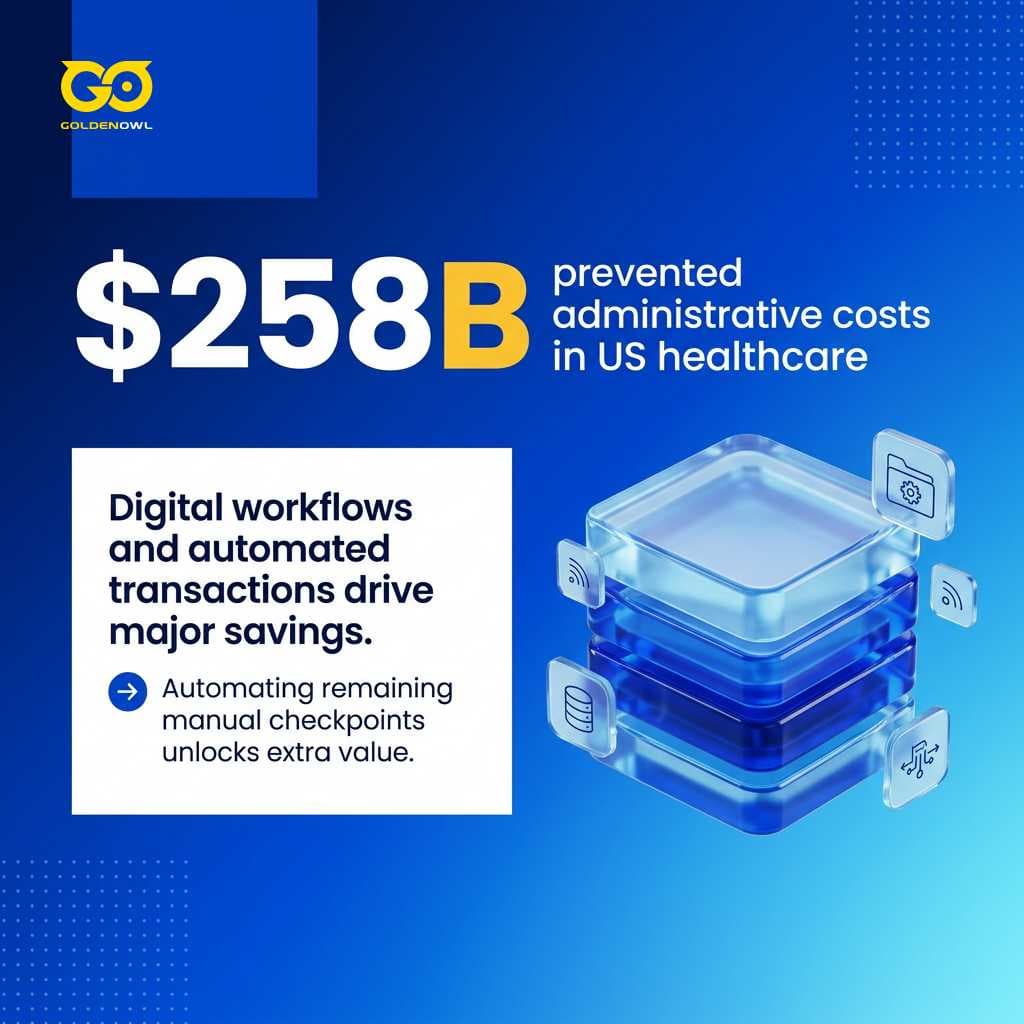
Cutting administrative drag through software yields massive financial returns when measured at industry scale. According to the 2025 CAQH Index, digital workflows and automated data transactions helped the U.S. healthcare sector avoid roughly $258 billion in administrative costs during 2024, marking a 17% jump in prevented overhead while reducing overall administrative expenses by 9%. Today, more than 50% of health plans alongside over 25% of medical groups have integrated operational AI into their everyday workflows. Upgrading the remaining manual checkpoints leaves an extra $21 billion on the table in potential annual savings.
Software Selection Criteria for Operations Leaders
Audit your internal infrastructure and operational bottlenecks with clear eyes before you try to capture any of those savings. You need to stack your daily workflows against your team's actual technical skills before signing contracts, because picking the wrong tool introduces drag and breaks existing handoffs. Smart operations heads protect budgets by zeroing in on software that fixes specific chokepoints, anchoring every tool directly into their everyday routines.
Talking to an experienced ai solutions company gives you genuine clarity before your team commits engineering payroll and freezes your stack. When an operational jam comes down to proprietary business logic and you already have in-house developers, writing code on top of open frameworks makes good sense. If you're looking to clear cross-department handoff stalls without drafting new software from scratch, pre-built automation suites remove that friction on day one.
Native Integration and API Compatibility
System Connector Architecture
Clean integration with your current tech stack sits right at the center of your evaluation, because a working platform has to mesh with existing setups without forcing engineers to rebuild your core infrastructure. Check that any vendor delivers open APIs alongside native connectors for standard tools like Oracle, SAP, Microsoft Office 365, or Salesforce before you spend time looking at secondary bells and whistles. Relying on automated data movement between departments cuts out manual scripting, which frees your staff from typing the same numbers across different screens all day long. Modern platforms plug directly into your production CRM and ERP databases so your data stays synchronized.
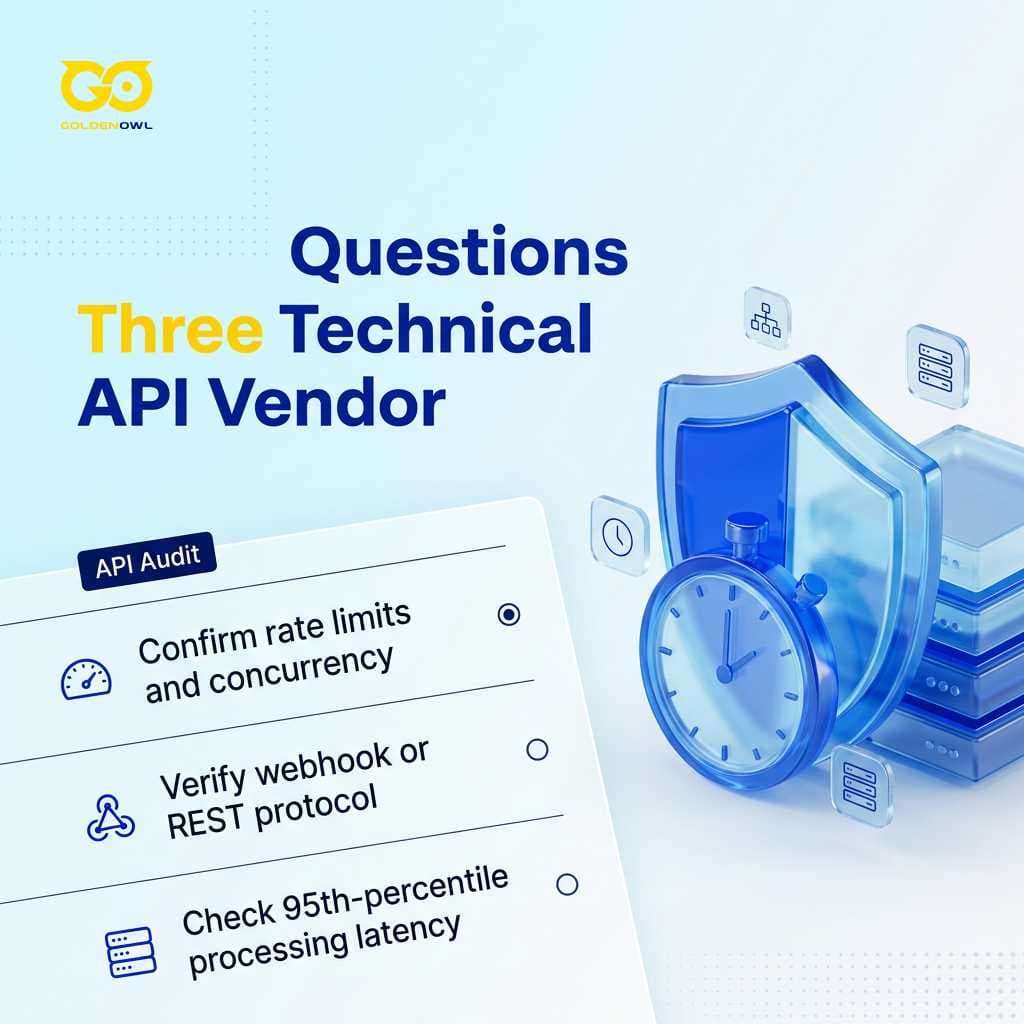
Before you sign any enterprise agreement, put three specific technical questions to every vendor competing for your business:
- Concurrency and Throttling: What are your explicit API rate limits (calls/sec), and how does the platform queue transactional bursts during peak operating hours?
- Payload Protocol: Do you provide webhook-driven event subscriptions, or does our ERP system have to poll your REST endpoints periodically?
- Payload Latency: What is your 95th-percentile processing latency from record intake to return output?
Accessible Interface Builders
Tools built with visual no-code workflow builders give you an instant edge by letting non-technical operators adjust everyday business rules without filing tickets with engineering. Handing system tweaks directly to front-line teams speeds up project rollouts while preventing painful IT bottlenecks across the entire company.
Scalability and Architecture Resilience
Treat system scalability as a non-negotiable operational hurdle, because software that runs smoothly in a five-person pilot frequently collapses under real enterprise transaction volumes. Before you sign a contract, confirm that your target software holds its baseline processing speed even when incoming records spike across your main workflows.
Cloud-native architectures scale reliably by automatically adjusting computing resources based on immediate demand, preserving steady system performance during operational peaks while controlling infrastructure expenses during slower cycles.
Fast-paced operational lines and customer-facing workflows demand rapid execution, which naturally favors platforms that ingest incoming records and launch downstream actions within seconds or minutes. In latency-sensitive environments, sluggish processing cycles translate directly into lost business output.
Durable optimization platforms track their own health constantly, spotting data drift and unexpected pipeline slowdowns long before service quality takes a hit. If you skip an early architectural review, you'll watch visual drag-and-drop tools crawl to a halt under massive enterprise datasets.
Access Governance, Compliance, and Security
Enterprise deployments require tight administrative controls to protect corporate assets and everyday operational records:
- Meets US regulatory standards like SOC 2, HIPAA, PCI DSS, GDPR (if applicable to international operations), and ISO 27001.
- Provides transparent audit trails and deploys ai workflow automation compliance solutions to automate audits and risk controls across workflows.
- Enforces role-based access controls to ensure users can only access information and functions relevant to their responsibilities, enhancing security and minimizing risks.
- Maintains data residency controls that allow organizations to determine where data is stored and processed within specific geographic boundaries, alongside support for US-standard formats for currency ($1,234.56) and dates (MM/DD/YYYY).
- Deploys automated access controls and risk-based isolation of suspicious devices while actively managing third-party application permissions.
Implementation Methodology and Adoption Best Practices
You can keep the rollout of AI process optimization clean and predictable if you treat buying the software as just the starting line while grounding deployment in disciplined preparation. Clear discussions with every affected team and tight ongoing checks keep regular workflows moving on their original schedules.
Data Auditing and Workflow Documentation
Your operations team has to work through three specific preparation phases before pushing models onto messy enterprise data, since automated systems depend entirely on baseline record quality:
- Data Foundation Auditing Begin with a detailed data audit: purge duplicate entries, populate empty fields, and align inconsistent formats. Because consistency is central to reliable performance, build explicit data governance rules that protect record quality over time, giving priority to clean…
- Operational Workflow Mapping Document your existing operations by tracing decision gates, sign-off chains, and other primary stages across each process. Creating this map shows where machine learning tools deliver the greatest benefit while protecting core daily activities from disruption.
- Integration Point Validation Check that candidate platforms connect smoothly with current environments, including ERP and CRM databases, relying on standard APIs to avoid service interruptions or the burden of complex custom development.
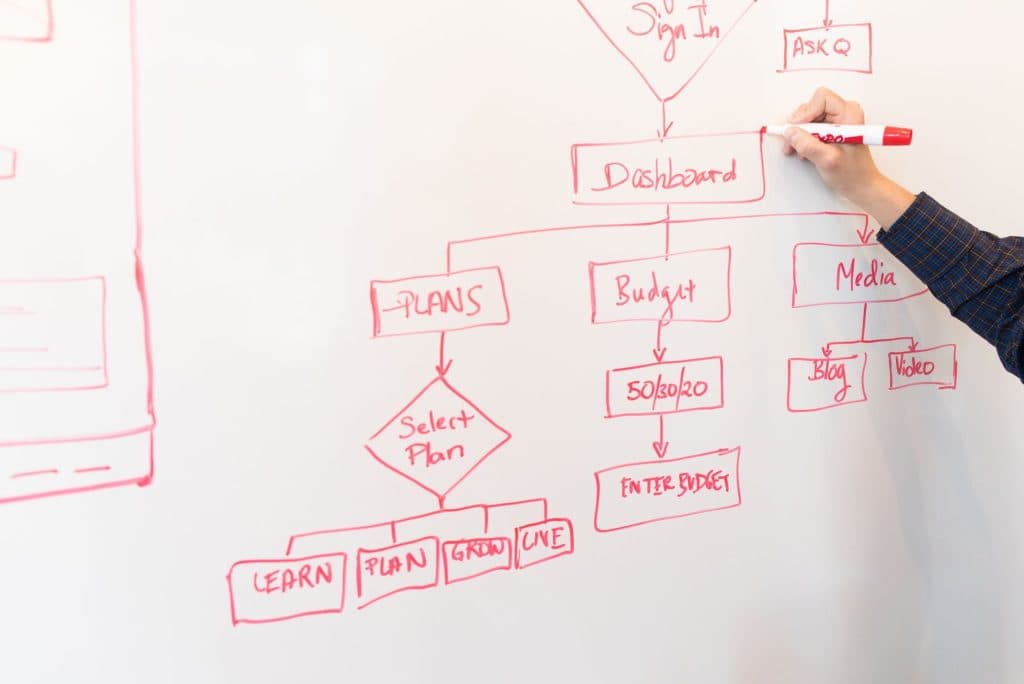
Automating an unmapped or broken workflow fixes zero underlying flaws. It only accelerates how fast bad data and operational errors spread through downstream business systems.
Stakeholder Engagement and Phased Rollouts
Cross-Functional Team Identification
Pushback from your own team is the steepest obstacle you face when introducing new systems to live environments. Sit down early with daily operators, IT staff, compliance managers, and executive leadership, tackling their specific worries head-on while tying your project updates straight to the distinct performance targets each department cares about most.
Executive Project Sponsorship
Active buy-in from leadership protects your momentum. When executives commit dedicated resources and publicly back target rollout dates, departmental hesitation clears out and execution speeds up across the entire company.
Workforce Enablement and Change Management
Running a structured change management plan smooths out the workplace transition by pairing hands-on technical sessions with steady operational support, proving to employees that software assists their normal work instead of replacing them. Bring front-line staff into training early so they master core controls themselves. Direct familiarity builds trust and protects your deployment timeline.
Front-line workers usually worry about automated surveillance and quota tracking. Frame the software as a personal assistant that pulls routine records and drafts simple text. Showing off that practical utility wins people over quickly, turning early skeptics into your most vocal internal champions across the company.
Targeted Pilot Initiatives
Launching tight pilots with small groups lets you test platform capabilities while keeping operational risk strictly contained. Limiting your initial release to one or two high-impact operations validates tool performance under real working conditions, catching technical bugs before you roll software out across the entire organization.

Pick pilot candidates using the High Volume, Low Subjectivity rule by prioritizing workflows that repeat dozens of times each day, run on clear routing logic, and carry minimal direct financial risk, like sorting helpdesk tickets or checking invoice fields. Steer clear of complicated processes that depend on multi-department approval chains.
Operational KPI Tracking and ROI Measurement
Proving bottom-line commercial value and protecting performance requires tracking hard metrics alongside continuous operational system tuning:
- Core Operational KPIs: Establish explicit key performance indicators tied to business targets, tracking shortened cycle times, lower error counts, reduced operational expenses, and higher customer satisfaction ratings.
- Pre-AI Benchmark Tracking: Measure operational metrics against historical pre-AI performance records using detailed, workflow-level cost accounting to discover which tasks generate the highest return and which processes need adjustment.
- Mathematical ROI Determination: Calculate commercial returns by identifying operational cost reductions alongside workforce productivity gains, applying the standard equation: (Benefits - Costs) ÷ Costs × 100 to reveal the percentage return on invested capital.
- Continuous System Monitoring and Feedback Loops: Deploy live tracking tools to detect model drift, data decay, or output degradation before small errors compound, keeping direct feedback channels open between end users and engineering teams.
- Iterative Model Maintenance: Set up recurring review cycles to assess algorithm output, retrain models on new operational inputs, adjust configuration settings, and connect fresh data feeds so the software adapts as business operations expand.
Frequently Asked Questions
Clear operational answers cut through practical questions about software fit, daily resource planning, and bottom-line business returns.
How Can Operations Leaders Select the Appropriate AI Optimization Solution?
Operational Needs and Bottleneck Targeting Pinpoint the daily tasks that chew up employee hours or suffer from recurring mistakes, because those exact headaches are your prime candidates for workflow automation. Picking the right tool means carefully weighing your organizational priorities, your current technical setup, and your long-term operating milestones. When software fixes verified operational snags and slots directly into daily routines, it routinely outperforms whatever platform is trending across the broader industry.
Technical Architecture and Usability Matching One of the best ways to evaluate your options is to gauge whether your team works best with visual drag-and-drop builders or full code platforms. Visual setups let non-technical staff adjust business logic directly without filing engineering tickets. That control speeds up your launch schedules and keeps backlogs clear, whereas custom deep learning builds force you to hire data scientists and fund ongoing code maintenance.
Vendor Performance and Ecosystem Compatibility Vet software vendors by speaking with active customers, reviewing real operational case studies, checking published platform uptime logs, and confirming vendor financial health. Make sure candidate tools provide open APIs for fast implementation that will not derail daily work, and confirm they hold recognized compliance certifications like SOC 2, HIPAA, PCI DSS, or GDPR.
What Steps Ensure Frictionless Integration with Existing IT Infrastructure?
Deployment teams must confirm that prospective software interfaces smoothly with established corporate technology assets through phased rollouts:
- Workflow Analysis and Mapping
Run an operational workflow analysis to isolate the highest commercial return points. Map out specific decision gates, handoff points, and review chains across candidate workflows, creating the operational clarity needed to prevent disruptions to primary business activities while maintaining predictable transaction velocity across the department.
- Data Hygiene and Quality Assurance
Focus on data hygiene early, because machine learning performance depends entirely on clean and organized data inputs. Execute an operational audit to eliminate duplicate entries, correct missing records, and enforce standard formatting, establishing explicit governance rules to preserve input quality across daily operations.
- System Connector Verification and Security Hardening
Verify that candidate tools connect cleanly into current enterprise CRM and ERP systems through native connectors or direct API integration. Set up strict information security controls and role-based permissions to protect restricted data records, ensuring that only qualified personnel touch sensitive operational systems.
- Small-Scale Sandbox and Pilot Testing
Limit operational exposure by validating the automation platform inside a small testing sandbox before broad deployment, allowing engineers to verify baseline system assumptions under controlled conditions. Focused pilot programs alongside early adopters remove configuration bugs before enterprise rollout.
How Do Organizations Accurately Measure Financial Return on Investment?
Mathematical Return Calculation Gauge the real financial return on your automation investments by applying the standard formula of benefits minus costs divided by costs times 100, which spells out the precise percentage gain produced by your deployed software.
Operational KPI Benchmarking Lock down concrete performance metrics for the rollout from day one, monitoring markers like direct payroll savings, reduced turnaround times, top-line revenue expansion, or fewer operational errors. Measuring these live performance indicators against baseline records collected before the system went live proves whether your new software truly hits its commercial targets.
Process-Level Expense Tracking Pick software platforms that track operational expenses down to the individual task level. This degree of granular visibility shows you which automated workflows produce healthy profit margins and which specific tasks require further adjustment. Track user adoption rates, departmental efficiency gains, error rates, and ongoing cloud hosting invoices alongside task costs to make sure your overall tech spend stays closely aligned with organizational goals.
Can Growing Mid-Sized Businesses Benefit from Enterprise Process Optimization?
Mid-market companies maintaining 50-300 staff members can certainly deploy process automation platforms to handle higher transaction volumes, tighten operating efficiency, and control business expenses without taking on additional payroll overhead. Modern visual tools and no-code builders give growing mid-sized teams serious execution agility.
You can automate repetitive, high-frequency administrative routines like invoice matching and calendar coordination while wiping out manual inaccuracies across daily operations. When you choose platforms that connect directly into existing CRM and ERP installations, your organization captures immediate operational gains and protects agility without adding headcount.
Selecting the right AI business process optimization solutions simply comes down to matching your team's technical depth to the exact friction points inside your primary workflows. You now have the playbook to audit broken operational handoffs, weigh visual builders against programmatic codebases, and maintain system reliability with strict role-based permissions and clean data governance.
Run the return formula against documented labor hours, make sure your API connectors hook cleanly into existing databases, and keep software expenses tied to unit-level tasks. Directing your capital at proven operational bottlenecks ensures your business expands transaction capacity without taking on additional payroll overhead.
Share this page


Table of Content

Subscribe to Golden Owl blog
Stay up to date! Get all the latest posts delivered straight to your inbox