Forward deployed engineer vs software engineer: compare daily work, skills, career paths and pay, and see which path fits you.


How Can AI Help Small Businesses Solve Daily Problems?
Oct 20, 2026
about 5 min read

How can AI help small businesses? See where AI saves time on customer questions, proposals, stock, meetings and win-back emails, and where people still check.
How can AI help small businesses? Mainly by taking on the routine work that fills a small team’s day: the same customer question answered again and again, the same proposal rebuilt for each new client.
With a handful of staff, the person answering the same email for the tenth time is often the owner - the one who should be talking to customers or deciding what to order next. AI can take a share of that load. It can’t take the judgment calls, and each section below says where a person still needs to check its work.
How can AI help small businesses handle customer inquiries?
Put a chatbot on your website or in your messaging app and it answers the common questions straight away, late on a Sunday night as readily as at noon. It works from your FAQs and policies (feed it those first), which helps keep the answer to “Do you deliver?” consistent. Harder questions go to a person, along with the details the bot has already collected.
Flour + Water, a restaurant in San Francisco, uses Hostie, an AI phone host that answers calls and sends text reminders. Hostie, the vendor, says reservations went up by about a fifth. A café can do the same in text form. A chatbot on its website and social pages can take bookings and answer questions about the menu and opening hours, which can keep staff at the counter instead of on the phone.

A chatbot predicts a likely answer, and now and then it states something false as if it were true. Keep a person within reach for upset customers and unusual requests. For a deeper look at the support side, see how an AI agent for customer support works.
How can AI draft proposals and service agreements?
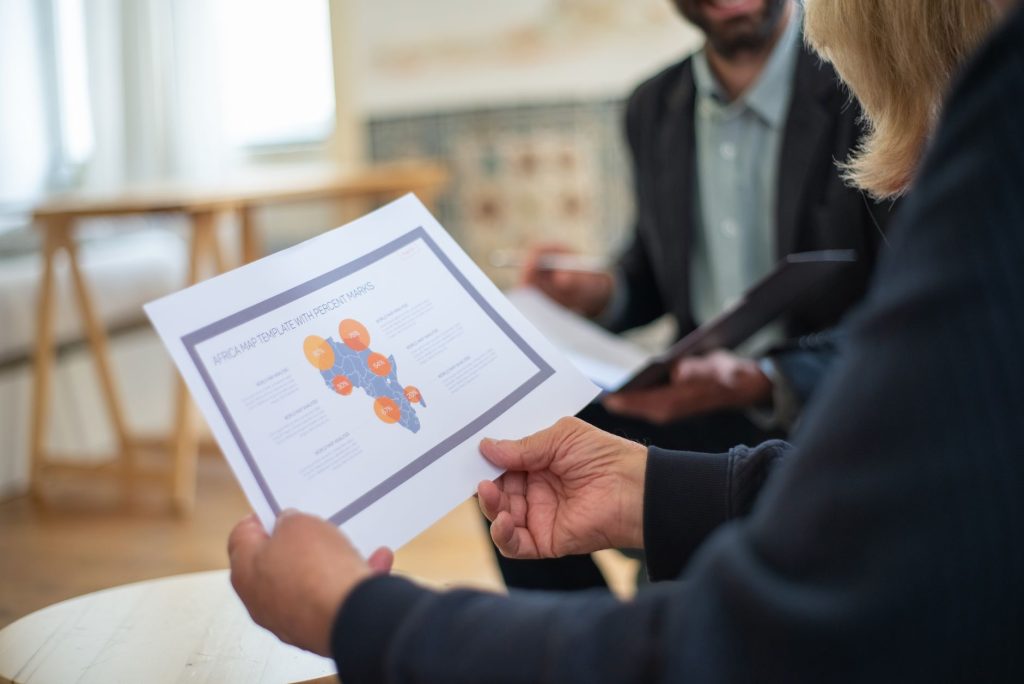
Document automation tools pull a client’s details into your proposal or service agreement template, so much of the first draft can be filled in before anyone opens it. They can also send reminders when a contract sits unsigned. Someone still has to read every draft before it goes out.
In one vendor-reported case, Toptal built an AI proposal system for an unnamed IT consulting firm. The time it took to produce a proposal fell by 20%. The case study doesn’t say how big the firm is. A small agency would probably save time at the same step, the first draft, though there’s no figure for that.
Once a draft exists, you can paste in a paragraph full of technical detail and ask for a plainer version, then ask what would make it clearer. You decide which suggestions stay.
Before you paste a client’s details or contract terms into any AI tool, find out how the vendor stores that data and who can see it. If you can’t find out, leave the sensitive parts out. Choose tools from vendors with a track record, and check now and then that the output is still accurate. Legal terms are a separate matter. Have a lawyer or another advisor you trust review them: an AI draft of a service agreement is a starting point, and it isn’t legal advice.
Can AI forecast inventory and stock levels?
It can, once it’s connected to your point-of-sale system (the till or app you ring up sales on). The software reads sales as they happen and estimates how much of each product you’ll probably need, with seasonal swings and promotions taken into account.

The part you’ll use every day is the low-stock alert, which comes with a suggestion of what to reorder and how much. That can mean less stock thrown away and fewer days when a popular item has sold out. The alerts also cut down the time spent counting shelves.
The strongest evidence so far comes from big companies. McKinsey found that early adopters of AI in supply-chain management cut logistics costs by 15 percent and inventory levels by 35 percent compared with slower competitors. Those are large supply chains rather than corner shops - a small store shouldn’t expect the same percentages.
A forecast can still miss when a supplier runs short or something unusual happens nearby, and that’s when a person should override it.
How can AI turn client meetings into action items?
An AI note-taker records the call, writes up a transcript and a short summary, and lists the action items. Many meeting platforms do this live. For a talk outside those platforms (a client visit, say), a transcription app on a phone or in a browser does the same job.
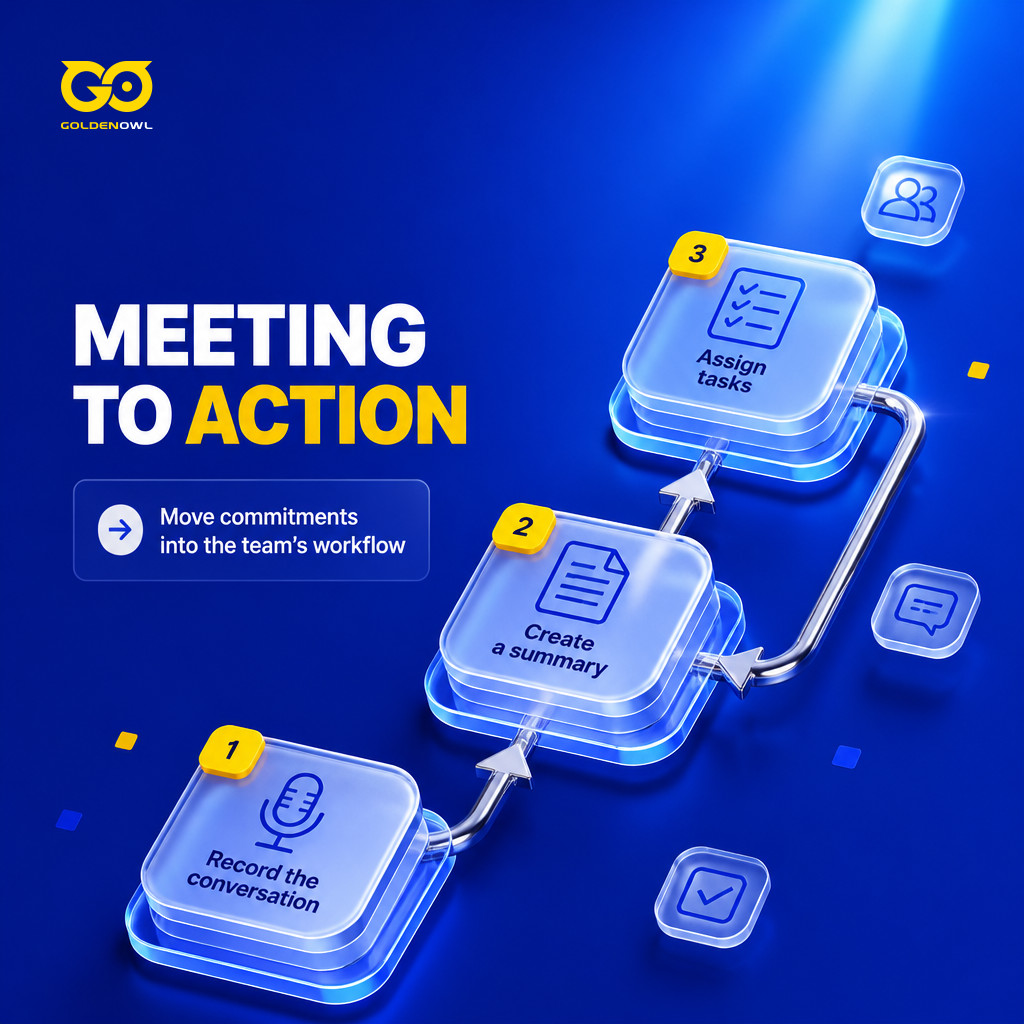
The person who used to take notes can join the discussion instead.
Cotera, a 12-person team, wrote up its own results after it added Fireflies (a meeting note-taker) plus a tool that sends a summary and tracks action items after every meeting. By the company’s count, the share of action items that actually got done rose from 60% to 87%. The team’s combined note-taking dropped from about nine hours a week to around 45 minutes of review. Cotera is close in size to a typical small business, which makes this case more useful than a big-company study. Project management tools can then sort those tasks by priority and send reminders to the people responsible.
How does AI re-engage inactive customer accounts?
It can find the customers who have gone quiet and help you send them something that fits. An AI-powered CRM (the software that keeps your customer records) groups contacts by what they’ve bought and how they behave, and it can rank them by how likely they are to buy.
In its own figures, Salesforce says customers using its Einstein AI lead scoring saw a 32% increase in turning prospects into buyers. The figure is about new prospects rather than lapsed customers. The same kind of score can rank old customers by how likely they are to come back: score people, then contact the likeliest ones first.
Imagine a gym owner whose list includes members who haven’t come in for a while. The CRM pulls that list. An AI writing assistant drafts a follow-up email for each group in minutes, with a subject line and a tone to match, and the owner reads them, changes whatever sounds off, and hits send.
Once the assistant is connected to the CRM, it can also see a customer’s history when they get in touch. It can flag early warning signs, such as a regular customer who has started ordering less. That gives you time to ask the customer what changed.

AI takes the repeat work off a small team, and the decisions stay with the people who know the customers. Start with the one task your team repeats most every week, try a tool on that alone for a month, and keep it only if the time it saves is worth the checking.
Share this page


Table of Content

Subscribe to Golden Owl blog
Stay up to date! Get all the latest posts delivered straight to your inbox